1. Introduction
1.1 What Is a Conceptual Exposure Model?
A conceptual exposure model (CEM) is a visual representation that maps known and potential interactions among an environment, pathogen, and host, typically at a local level. A CEM can be presented in various ways, such as through illustrations or block diagrams. A CEM is a critical part of understanding and responding to pathological agents. Hypothetical CEMs can be found in Conceptual Exposure Model Examples, and a case study using an extensive CEM can be found in Case Study: Using a Conceptual Exposure Model to Address a 2018 E. coli Outbreak Linked to Romaine Lettuce.
1.2 Defining Pathogen and Host
A pathogen is traditionally defined as an organism that can cause disease in a host, with the severity of the disease symptoms being referred to as virulence ( Mara and Horan 2003 [RBY9THLW] Mara, Duncan, and Nigel Horan, eds. 2003. Handbook of Water and Wastewater Microbiology. Academic Press. https://doi.org/10.1016/B978-0-12-470100-7.50047-9. ). A host is an organism that harbors a pathogen or parasite. In this guidance, the host refers to a human host that is exposed to or harbors the pathogen. The outcome of the pathogen/microbe-host relationship depends on the pathogenicity of the organism, which is the ability of a pathogen to cause disease in a host, and the host characteristics. More information regarding host factors that affect health outcomes and pathogen categorization, biology, transmission, and virulence can be found in the Key Variables section.
1.3 Defining the Environment
The traditional environment in a CEM consists of soil, water, and air, also referred to as environmental media, which can be further subcategorized based upon characteristics such as use and location. The specificity of environmental media categorization depends upon the biological contaminants of emerging concern (BioCEC) scenario and the intended audience. Water is often a key component of a CEM, as many pathogens rely on water to reach a host. Given the variability in potential sources, a CEM should specify the category of water such as surface water, groundwater, stormwater, potable water, wastewater, gray water, and recreational water. Soil can be described by depth, use, and type. Air can be described by its location, such as indoor air, ambient air, and soil gas.
The environment may be more expansive than environmental media in a CEM and is influenced by the identified scope, scale, and BioCEC characteristics. Vectors, the built environment, and biota can be treated as sources, environmental media, mechanisms of environmental transmission, or any combination of these categories, depending on the scenario. Vectors are organisms that transmit a pathogen to a human host and may be visualized as environmental media, a mechanism of exposure, or both within a CEM. For example, a vector that uptakes a BioCEC from breeding grounds and transmits it to humans can be considered an exposure mechanism, whereas a vector that spreads a BioCEC to new breeding grounds acts as a contaminated environmental medium, in turn creating a secondary source. Additionally, some pathogens can survive on surfaces in the built environment even in the absence of other environmental media, which may warrant the inclusion of the built environment as a medium in a CEM. The built environment may also be incorporated in a CEM due to its role in cross-media transfer and exposure scenarios. Another category that can be treated as an environmental medium is biota (living organisms). Biota may include organisms that carry a BioCEC but are not adversely impacted by its survival, also known as reservoirs. Produce may be included as well, as a BioCEC transferred through irrigation or soil may live on its surface. More information about cross-media transfer and exposure scenarios can be found in Cross-Media Transfer and Exposure Scenarios.
1.4 The Epidemiologic Triangle and Key Variables
The epidemiologic triangle with vertices of pathogen, host, and environment is a model that emphasizes the interactions among a pathogen, a population susceptible to infection from the pathogen (host), and conditions favorable for exposure of the host to the pathogen (environment) (Figure 1). A CEM maps potential pathways of exposure from the pathogen source to the host via the environment, touching on each vertex of the epidemiologic triangle. A key variables evaluation is then used as a tool for prioritization and prediction for each step of the pathway (see the Key Variables for more information).
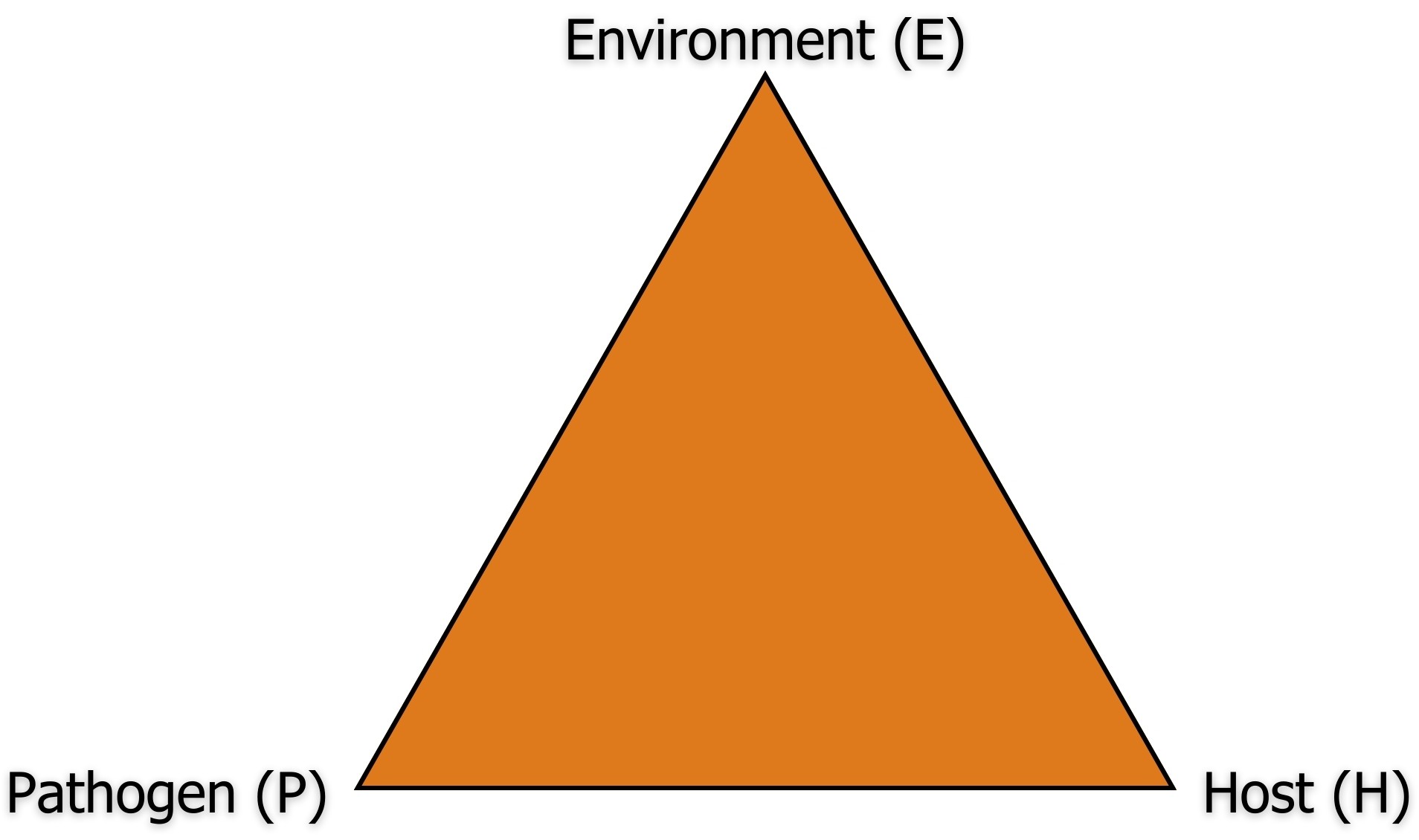
Figure 1. The epidemiologic triangle.
Source: Adapted from (
Morabia 2013 [F3Q4QI84] Morabia, A. 2013. A History of Epidemiologic Methods and Concepts. Springer.
).
2. Building a Conceptual Exposure Model Using the Epidemiologic Triangle
2.1 Identification of Environment, Pathogen, and Host
CEM creation requires information regarding the environment, pathogen, and host. Identifying what is known about host populations, contaminated media, and the pathogen is helpful in establishing a scope, which may expand or shrink as data become available and knowledge gaps are addressed. Information used for identification may include data related to environmental sampling, host demographics, and pathogen screening. When applicable, vectors and the built environment should also be included in this stage of CEM development.
2.2 Source Media
A source is a contaminated medium that is primarily responsible for transmitting pathogens to exposure media or susceptible hosts. It may be difficult to identify the source of a BioCEC outbreak due to the ubiquity, movement, and lifespan of biological contaminants. Source identification may require temporal and spatial sampling. A source is not necessarily where the pathogen originated, but it may instead be a location where it thrives on a local scale. A source location and medium may also vary in pathogen loading on a temporal scale. Source examples and their extents include the following:
- A marsh that is used as a breeding ground for mosquitoes.
- The source is periodic due to seasonal variations in water levels and migration of mosquitoes, with the spatial extent limited to the breeding grounds.
- A wildfire that aerosolizes fungal spores.
- This source is a single event with the spatial extent limited to the wildfire area, or the area that contained the fungal spores.
- Conveyance pipes that erode and introduce contaminated soil into potable water.
- The source is continuously releasing contaminants into the water, with the spatial extent limited to the damaged area(s) of the pipe.
- Sewage released from septic tanks or wastewater conveyance infrastructure.
- The source is intermittent, as contamination may only result after weather conditions facilitate movement or directly after application or release, with the spatial extent limited to the area of application or release.
A BioCEC does not necessarily require source identification. A relatively harmless pathogen that is already present within a localized part of the environment may become a BioCEC due to changes within the environment, host population, or pathogen characteristics, which are further described in the Key Variables.
2.3 Cross-Media Transfer and Exposure Scenarios
Contaminants can travel within and between different environmental media, which is a process referred to as cross-media transfer. Cross-media transfer is the result of natural or engineered mechanisms. A few example mechanisms of cross-media transfer are listed below:
- Aerosolization — A contaminant in soil or water becomes airborne.
- Deposition — An airborne contaminant lands on a surface.
- Leaching — Contaminants within soil or waste are transported in flowing water and move into environmental media on the surface or subsurface.
- Irrigation — Surface water, groundwater, or treated wastewater are supplied to land or crops. Irrigation can facilitate leaching.
- Intake — Water is taken from the environment and used as drinking water or for industrial and agricultural operations without complete disinfection.
Not all cross-media transfer results in an exposure scenario, as contaminated environmental media may not have a mechanism to interact with a host. For instance, buried waste in subsurface soil may seep into groundwater that is never extracted for human use. A complete pathway requires the pathogen to contaminate an environmental medium that the host directly interacts with, which we define as an exposure medium. Many factors influence the ability of a medium to be an exposure medium, such as pathogen viability, hydrologic and hydrogeologic conditions, and physical barriers that make it inaccessible.
Once a pathogen contaminates an exposure medium, infection becomes a possibility. An exposure scenario is the mechanism by which the host interacts with an exposure medium. Some exposure scenarios are listed below:
- Dermal exposure — Contaminated environmental media touches the skin or mucosal membrane of an individual.
- Inhalation — An individual breathes in an airborne contaminant.
- Ingestion — A individual eats or drinks contaminated media.
The mechanisms of cross-media transfer and exposure scenarios listed in this section are not exhaustive. Professionals specializing in scenario-relevant fields — such as water resources, agriculture, engineering, and public health — may need to collaborate to ensure that a CEM is complete and appropriate in scope. More information on this topic can be found in Gerba’s “Environmentally Transmitted Pathogens” ( Gerba 2015 [DEPDCR97] Gerba, Charles P. 2015. “Chapter 22 — Environmentally Transmitted Pathogens.” In Environmental Microbiology (Third Edition), edited by Ian L. Pepper, Charles P. Gerba, and Terry J. Gentry. Academic Press. https://doi.org/10.1016/B978-0-12-394626-3.00022-3. ).
2.4 General Conceptual Exposure Model
The general CEM (Figure 2) demonstrates which components of the epidemiologic triangle (environment [E], pathogen [P], and host [H]) are relevant to BioCEC movement from an environmental source all the way to an infected individual. The arrows demonstrate how a BioCEC is transferred between each component. Figure 6 also identifies regulatory applications, which are described further in General Conceptual Exposure Model with Regulatory Applications.
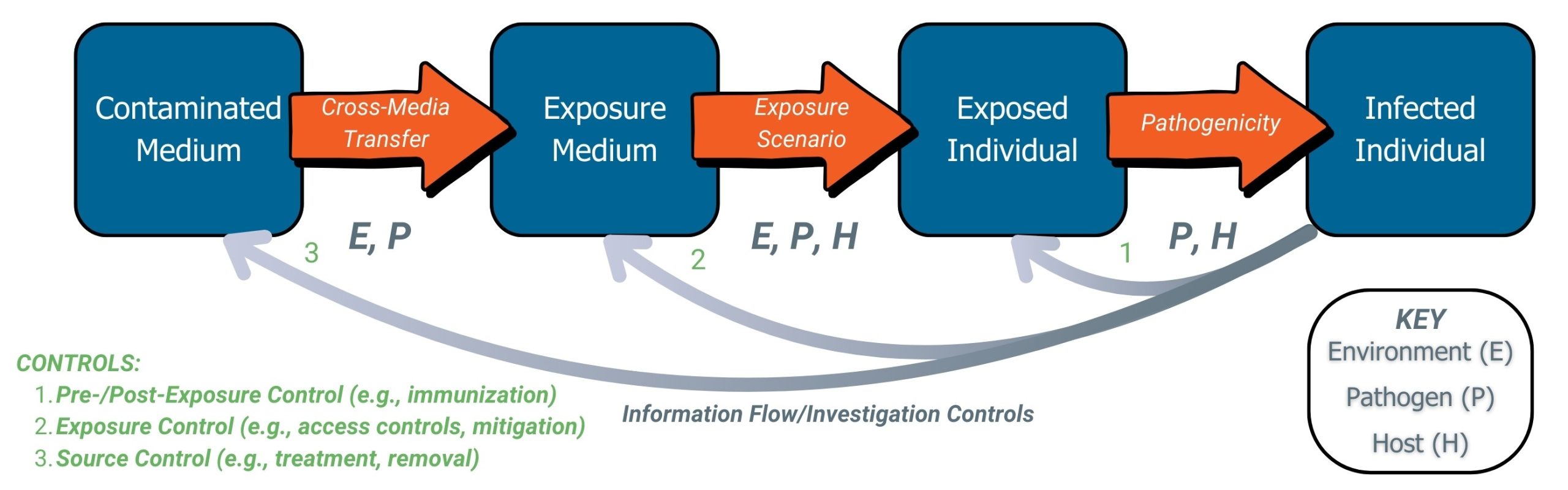
Figure 2. General conceptual exposure model.
The contaminated medium is the soil, water, waste, or air that contains a BioCEC. Cross-media transfer occurs when the pathogen travels to other media from the contaminated medium, generating an exposure medium. The exposure scenario is the mechanism by which an individual (human host) interacts with an exposure medium, becoming an exposed individual. To complete the pathway, the exposed individual must become infected or transmit the pathogen to another, creating an infected individual.
2.5 Iteration and Hypotheses
Sources, cross-media transfer, and exposure scenarios can be hypothesized based upon factors such as hydrogeology, pathogen characteristics, human host characteristics, and anthropogenic activity. Environmental media and host populations can be sampled and analyzed to evaluate these hypotheses. The CEM should be updated as data become available and as conclusions are drawn. More information regarding cross-media transfer, exposure scenarios, and pathogenicity (e.g., virulence) can be found in the Key Variables. More information regarding environmental sampling can be found in the Monitoring Programs / Resource Hub and Analytical Methods sections.
3. Using a Conceptual Exposure Model
3.1 Applications
BioCEC can be challenging to address because disease outbreaks are often unanticipated, with regulators endeavoring to gather and evaluate information on the pathogen, host, and environment. A CEM is essential for developing an adequate BioCEC evaluation and response, as the information communicated is interdisciplinary, testable, and iterative.
Once a CEM that visualizes collective knowledge is developed, it becomes easier to identify knowledge and data gaps, refine the scope, create hypotheses, and formulate investigation and response strategies (see Figure 2). For instance, someone in the public health field may not have the expertise required to identify potential mechanisms of cross-media transfer, while an environmental professional may lack the knowledge needed to evaluate the viability of a pathogen in an environmental medium. After data are collected, a new CEM iteration can succinctly communicate updates without requiring expert analysis from each team member. Additionally, the CEM is adaptable, and can be modified to suit the needs of all stakeholders.
CEM applications may include the following:
- Identifying:
- Knowledge or data gaps
- Contaminated and potentially contaminated environmental media
- Regulatory agencies with jurisdiction over different environmental media
- Exposure scenarios
- Susceptible host populations
- Planning:
- Investigation strategies
- Monitoring programs
- Institutional controls and other interventions
- Collaboration with all involved regulatory agencies
- Communicating:
- Updates as new data are added
- Information about the site to various audiences, including the public
- With response team members with varying backgrounds
3.2 General Conceptual Exposure Model with Regulatory Applications
Figure 2 is a representation of how a CEM can be applied in every stage of pathogen transmission, from the contaminated medium to the infected individual; this application usually occurs once an outbreak is identified. Clinical identification of an infected individual is often where investigation and intervention begin. The gray arrows below the infected individual represent the regulatory responses of environmental and public health jurisdictions intended to disrupt pathogen transmission.
Three control strategies are shown in Figure 2 and are listed below. These may be proactive or reactive measures or both.
- Control 1. Pre-/post-exposure control impacts pathogenicity. This intends to reduce infection in potentially exposed individuals in a population, often through immunization or other prophylactic measures.
- Control 2. Exposure control impacts the exposure scenario. This intends to reduce human host exposure through land-use controls, such as physical barriers, signage, and restricted uses. Mitigation measures and environmental surveillance may be used in this stage as well.
- Control 3. Source control impacts the cross-media transfer at the source. This intends to remove the pathogen completely from the source or eliminate all potential exposures of another medium or host. It may also inhibit the pathogen from entering the exposure medium.
4. Conceptual Exposure Model Examples
This subsection presents two hypothetical CEMs as illustrative examples. The example CEMs are not meant to be all-encompassing but illustrate potential exposure pathways connecting one or more pathogenic sources to likely hosts via different cross-media transfer within the environment. Regulators should create their own CEM by following the steps described in Building a Conceptual Exposure Model Using the Epidemiologic Triangle — identifying the environment, pathogen, host, source media, cross-media transmission pathways, and exposure scenarios. If generic CEMs are used, a regulator may overlook factors specific to their BioCEC scenario. Each of the following CEMs use gray arrows to represent environmental transmission and red arrows to represent exposure.
4.1 Example 1: Biowaste Release to Soil / Land Application of Class B Biosolids
Figure 3 is a CEM that demonstrates the introduction of a BioCEC through land application of animal biowaste (e.g., manure) or Class B biosolids, which unlike Class A biosolids is not thermally or chemically stabilized to eliminate pathogenic load in excess of background levels. The application of Class B biosolids to soils can lead to the potential exposure of a host via different cross-media transport mechanisms and exposure scenarios. The pathogenic source applied to the soil can travel to the different exposure media of air (via emission of mold and spores from soil disturbance, wind gusts, and wildfires), water resources such as groundwaters and surface waters (via leaching, runoff, and percolation), and biota (via transfer from soil or water to a crop). Incidentally, cross-media transfer can also occur between different exposure media, such as the particle deposition and resuspension illustrated between the air and water exposure media and the irrigation of produce crops using a contaminated water resource. It is important to note that every potentially complete exposure pathway from pathogenic source to host in Figure 3 can be its own stand-alone CEM controlled by different exposure scenarios (Figure 4).
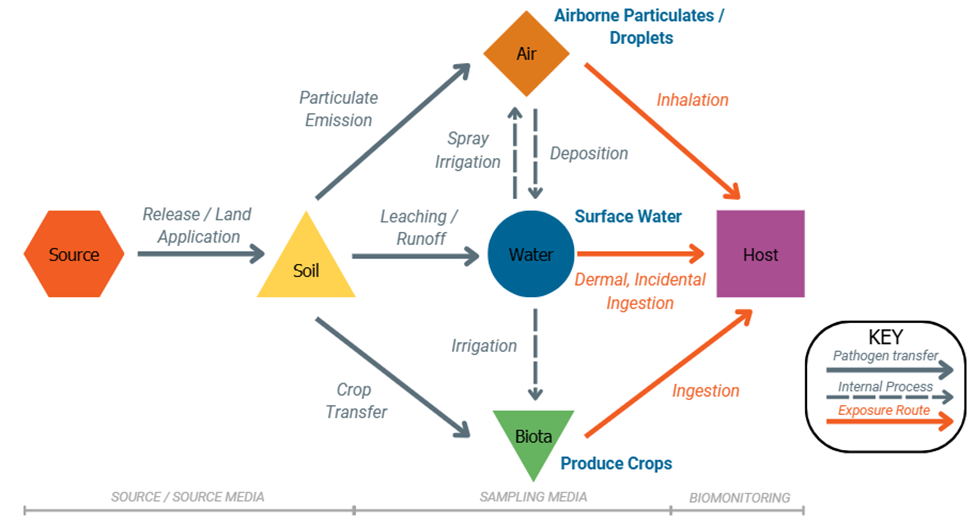
Figure 3. Biowaste release to soil / land application of Class B biosolids (Example 1).
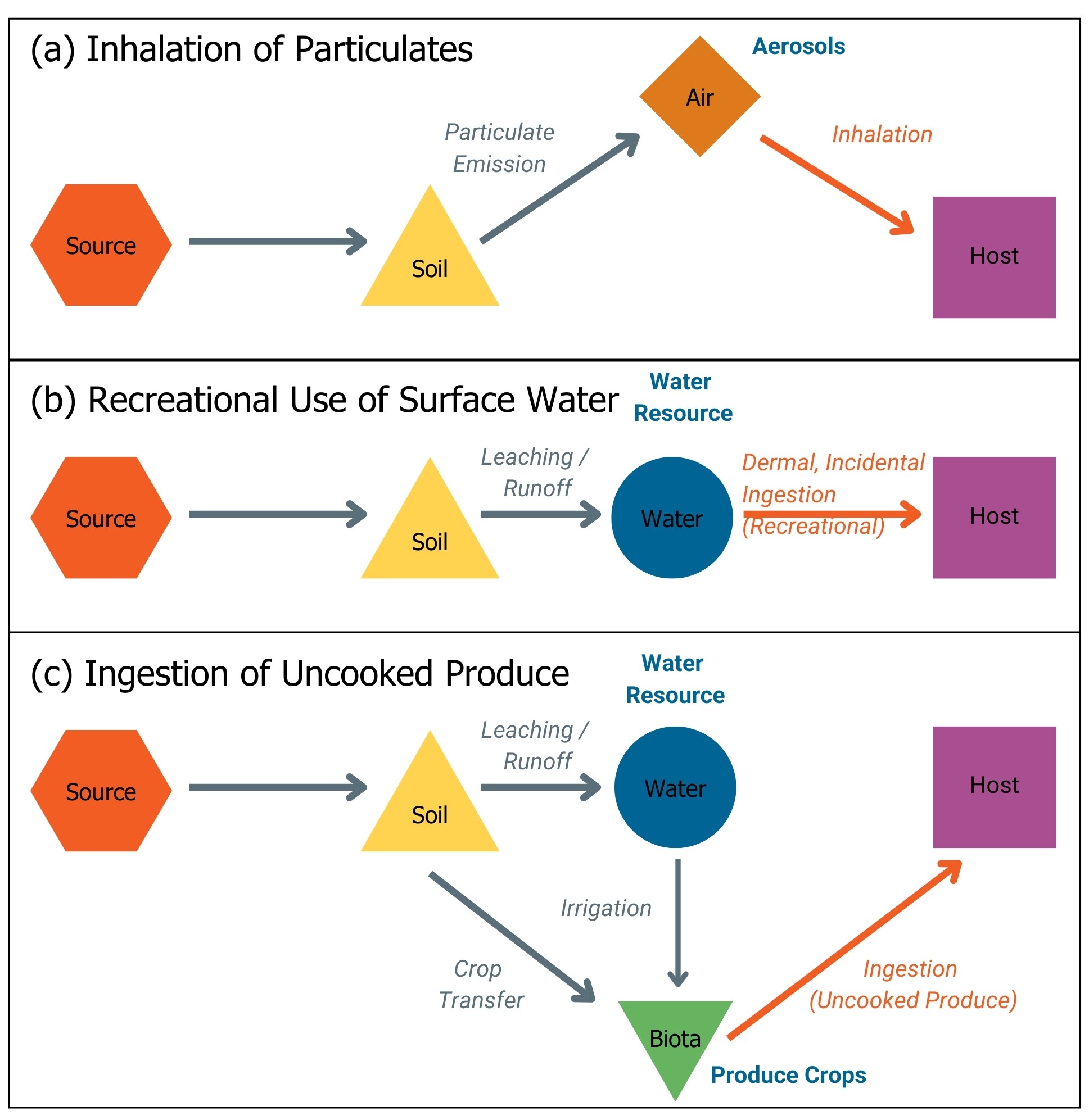
Figure 4. Individual exposure pathways within a conceptual exposure model (Example 1).
4.2 Example 2: Pathogenic Release to Potable Water Resource
Figure 5 is a CEM demonstrating how a BioCEC introduced into water through the release of a pathogenic source to a potable water resource can potentially make its way to a susceptible host through ingestion and dermal exposure to the potable water or to its resource. The example has two sources of pathogens: the release itself and the municipal wastewater generated from the consumption of potable water. Real-world scenarios of this example CEM could be septic tank discharge to groundwater, livestock bathing in surface water, or municipal wastewater release to a surface water body. It is notable that the individual exposure pathways within the example CEM represent their own CEMs, some of which are illustrated in Figure 6 below.
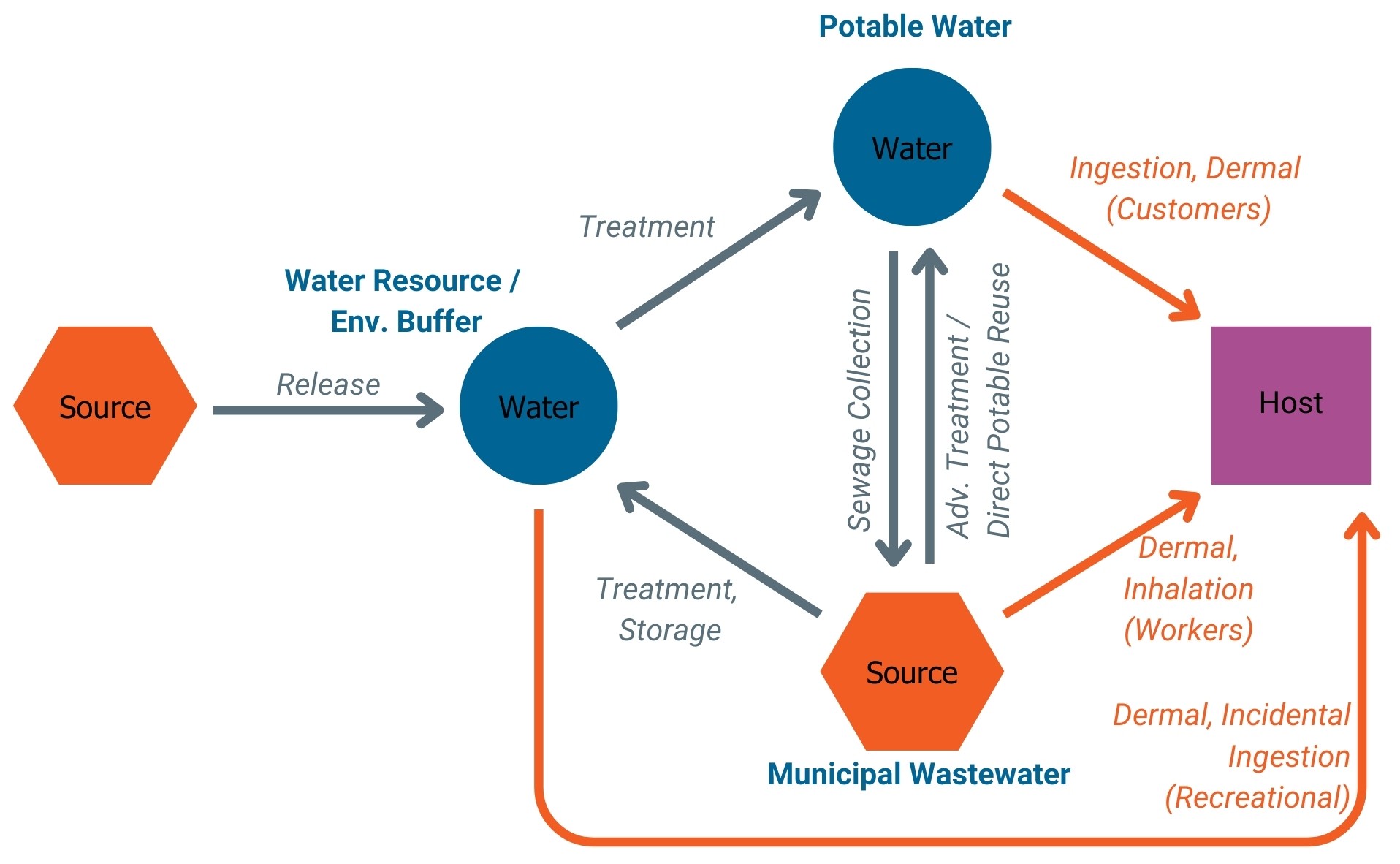
Figure 5. Pathogenic release to a potable water resource (Example 2).
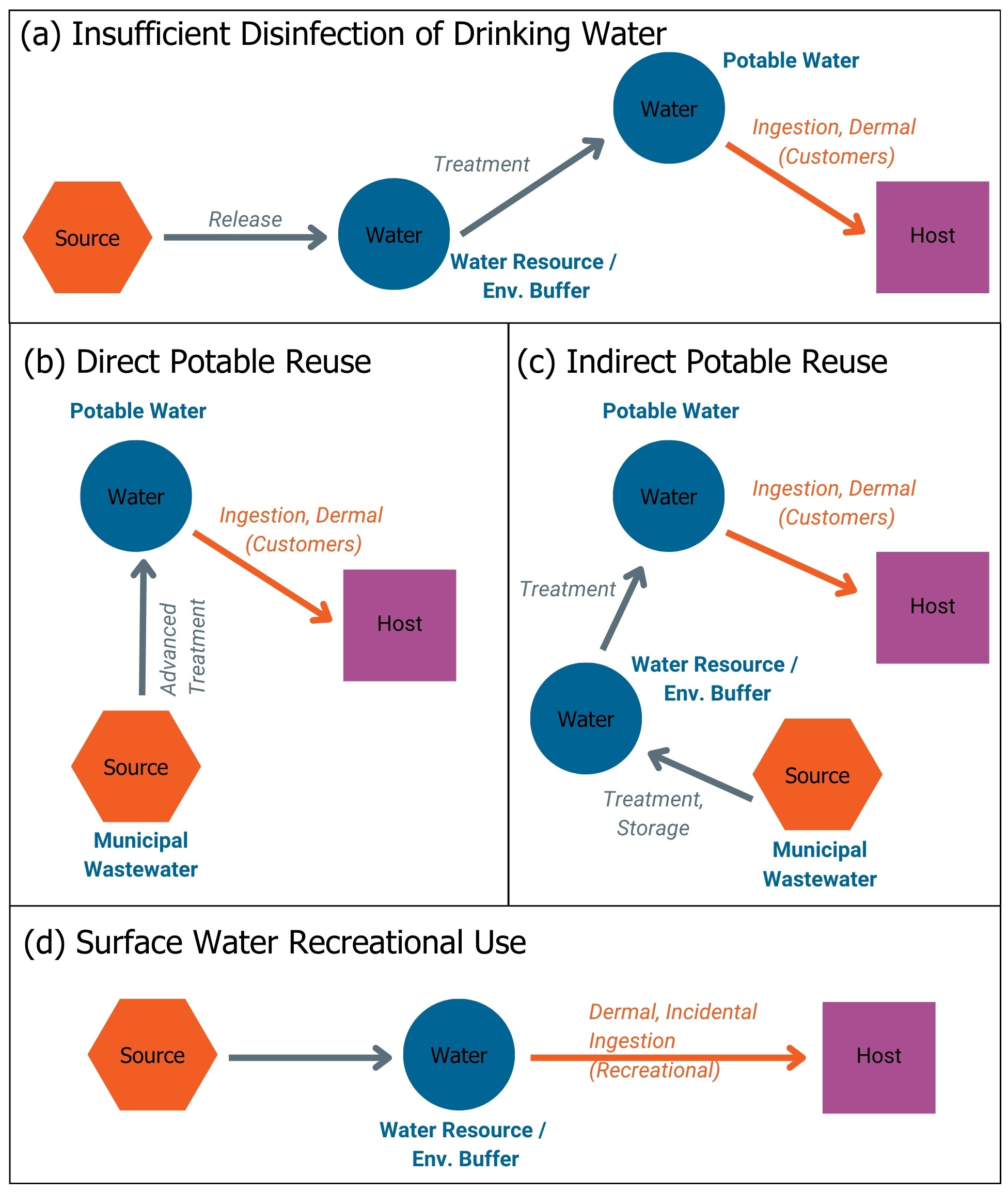
Figure 6. Individual exposure pathways within a conceptual exposure model (Example 2).
Figure 6(a), (b), and (c) all show failures of engineered barriers in the form of treatment and disinfection technologies. The three pathways, which represent drinking water treatment, direct potable reuse through advanced tertiary treatment technologies like reverse osmosis and advanced oxidation, and indirect potable reuse, can be subject to disinfection technology failures, resulting in residual pathogenic load in potable water. People drinking or bathing in such water can potentially become infected. Figure 6(d) shows the recreational use scenario of a surface water body like a river or a lake where any releases to that water body can expose individuals using it for recreational purposes. A pathway shown on Figure 5 but not on Figure 6 is the dermal and inhalation exposure of aerosols by municipal wastewater treatment workers.
5. Case Study: Using a Conceptual Exposure Model to Address a 2018 E. coli Outbreak Linked to Romaine Lettuce
The case study found in Case Study: 2018 Escherichia coli Outbreak Linked to Romaine Lettuce provides an example of how a CEM was applied in a real-world scenario. The case study is associated with romaine lettuce grown from the Yuma region of Arizona that reportedly caused people in several states and Canada to become ill. Multiple state agencies, CDC, and the US Food and Drug Administration coordinated their investigations to understand the outbreak, including potential causes and environmental transmission pathways, monitoring issues and approaches, stakeholder and community participation, current policies and procedures, and other factors that may have contributed to the outbreak. Figure 8 in the Case Studies section exemplifies how a CEM can incorporate both the confirmed and hypothesized presence of a BioCEC within environmental media, transmission pathways, and receptors. Although the source of the BioCEC in the case study was not identified, the information gained through the investigation can assist with monitoring transmission pathways, mitigating exposure, and reacting to future outbreaks.