
1. Case Study: Blastomycosis Outbreak
1.1 Background
The Process Guide section may be used as a tool to identify a biological contaminant of emerging concern (BioCEC) and address potential response actions to take once a BioCEC is identified. This case study on an actual blastomycosis outbreak is used as an example to demonstrate a hypothetical application of the process guide.
1.2 Identification and Evaluation of BioCEC
The identification of a BioCEC and its evaluation depends on data collected during monitoring activities for a BioCEC. Questions to ask include the following: Is there an existing monitoring program for the BioCEC of concern? Are analytical methods available and adequate for detecting pathogens in various environmental media? What kind of response is warranted for the BioCEC? If evidence to support the presence and identity of the BioCEC are available, it is important to develop a site conceptual exposure model (CEM) to define the relationships among human host, pathogen, environmental factors, and relevant exposure pathways (see the Conceptual Exposure Model section). The generic CEM example presented in Figure 2 in subsection 2.4 of the CEM section helps inform decisions and actions necessary to address the BioCEC and its human health effects and disease outbreak control or prevention.
It is important to understand the key variables that may have contributed to the human health effects of the BioCEC and disease development (see the Key Variables section). The eco-epidemiology triangle presented in The Epidemiological Triangle of the Key Variables section highlights the factors that may affect pathogen transmission and disease development with an emphasis on the concepts of ecology in host-agent-environment interactions. See the Key Variables section for a detailed explanation.
1.3 Blastomycosis Identification and Evaluation
1.3.1 Background Information and Outbreak Identification
Blastomycosis is a lung infection that presents as a community-acquired pneumonia (a pneumonia acquired outside the hospital). It is caused by inhaling spores of the fungus Blastomyces conidia that is found in soil. Figure 1, which is adapted from material from the Centers for Disease Control and Prevention (CDC) ( CDC [3DZJBBFP] CDC. n.d. “Biology of Blastomycosis.” Accessed July 28, 2025. https://www.cdc.gov/blastomycosis/media/pdfs/biology-of-blastomycosis.pdf. ), shows how humans are exposed to the Blastomyces mold. The hyphae of the Blastomyces mold (1) contain spores (2) that can be inhaled or penetrate the skin (3) of a susceptible human. The spores transform into yeast, which can reside in and colonize the lungs (4) or enter the blood system (5) and be deposited in other body parts.
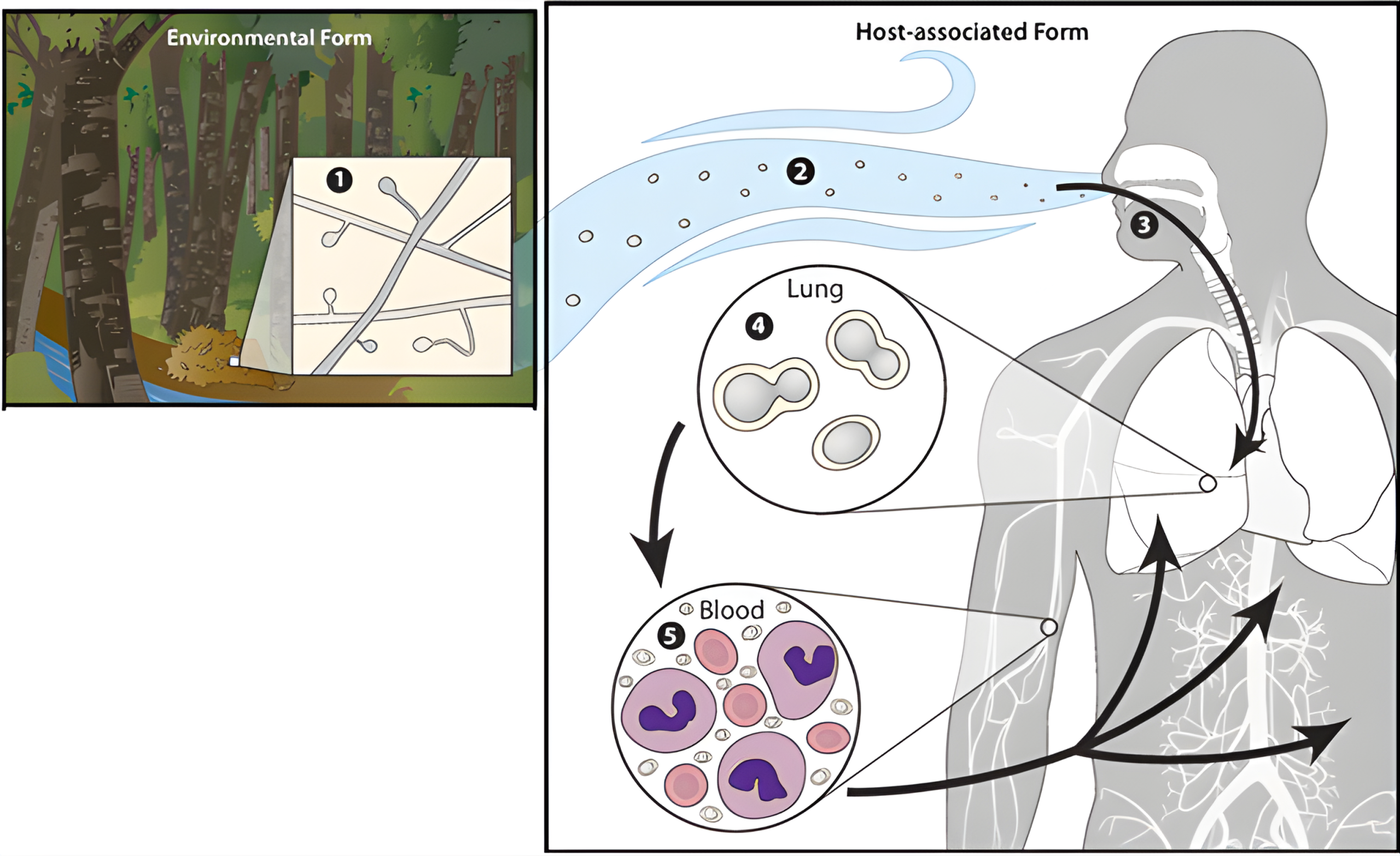
Figure 1. Inhalation exposure of a susceptible human host to Blastomyces.
Source: Adapted from CDC (
CDC [3DZJBBFP] CDC. n.d. “Biology of Blastomycosis.” Accessed July 28, 2025. https://www.cdc.gov/blastomycosis/media/pdfs/biology-of-blastomycosis.pdf.
).
CDC ( CDC 2024 [BW3W3MP7] CDC. 2024. “Blastomycosis.” Blastomycosis, April 24. https://www.cdc.gov/blastomycosis/index.html. ) reports that half of infected humans show symptoms of fever, cough, shortness of breath, chest pain, night sweats, fatigue, weight loss, muscle aches, and joint pain. These symptoms are observed from three weeks to three months after breathing in fungal spores. Infected individuals with compromised or weakened immune systems have a higher risk of severe blastomycosis such as pulmonary disease or pneumonia and disseminated infections (disease spread from lungs to skin, bones, joints, and central nervous system). Other risk factors for blastomycosis infection include geography, type of work, hobbies, and race.
CDC ( CDC 2024 [JX2LUASG] CDC. 2024. “Reportable Fungal Diseases by State.” Fungal Diseases, May 8. https://www.cdc.gov/fungal/php/case-reporting/index.html. ) identifies fungal diseases that are nationally notifiable (e.g., coccidioidomycosis) or have standardized case definitions (e.g., blastomycosis). The health departments voluntarily submit data to the CDC National Notifiable System only for those classified as nationally notifiable diseases; no reporting is required for diseases classed under case definitions. The case definition is a set of criteria that defines a particular disease. The criteria are used for public health surveillance only and are not recommended for establishing a clinical diagnosis. Several states, including Michigan and Wisconsin, have established blastomycosis as a reportable disease and opted to report data to the CDC.
Figure 2 shows areas in the United States that are likely to have Blastomyces species in soil, such as Midwestern, South Central, and Southeastern states ( CDC 2024 [BW3W3MP7] CDC. 2024. “Blastomycosis.” Blastomycosis, April 24. https://www.cdc.gov/blastomycosis/index.html. Seitz et al. 2014 [Z8FVF442] Seitz, Amy E., Naji Younes, Claudia A. Steiner, and D. Rebecca Prevots. 2014. “Incidence and Trends of Blastomycosis-Associated Hospitalizations in the United States.” PLOS ONE 9 (8): e105466. https://doi.org/10.1371/journal.pone.0105466. ). Wisconsin and Minnesota are considered hyperendemic areas. Hyperendemicity indicates a persistently high occurrence of blastomycosis cases. Michigan is considered an endemic area where sporadic blastomycosis in certain areas is observed. Therefore, geography is considered a risk factor for blastomycosis exposure.
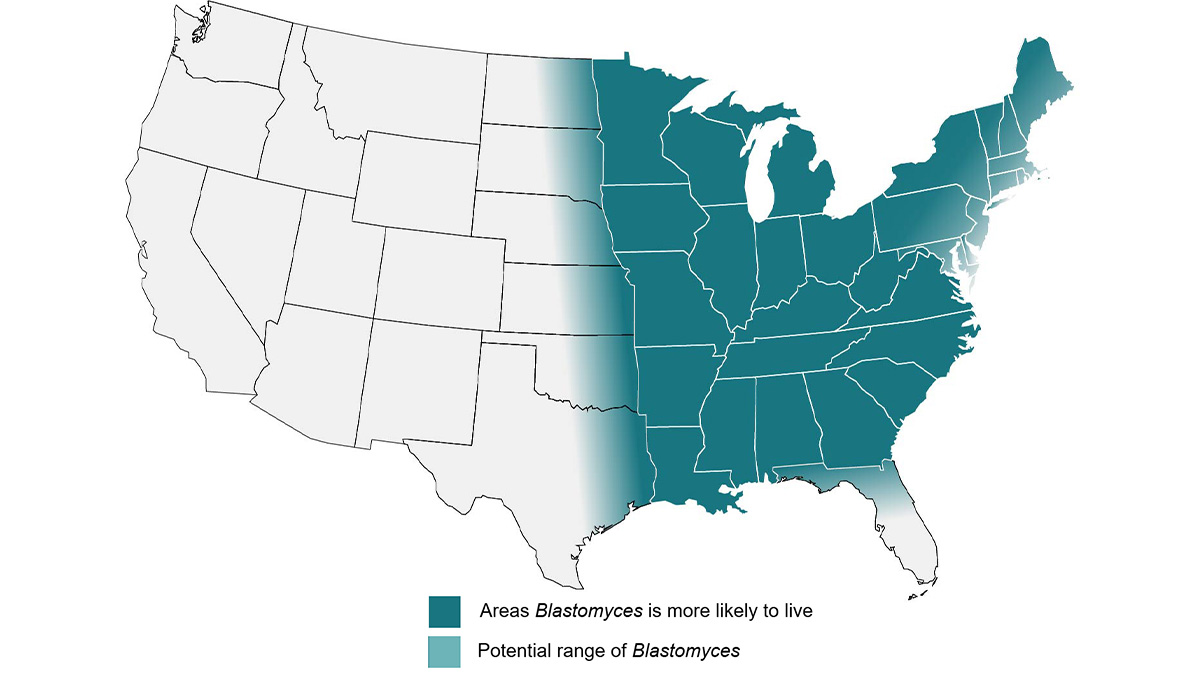
Figure 2. Blastomycosis-endemic areas.
Source: CDC (
CDC 2024 [BW3W3MP7] CDC. 2024. “Blastomycosis.” Blastomycosis, April 24. https://www.cdc.gov/blastomycosis/index.html.
).
The national infection rate for blastomycosis is approximately 2 per 100,000 population with deaths occurring in 8–10% of hospitalized cases. This death rate sharply increased to 17% in 2021; however, this increase may be due to effects of the COVID pandemic, such as a weakened immune response in susceptible populations (e.g., immunocompromised individuals) ( CDC 2024 [BW3W3MP7] CDC. 2024. “Blastomycosis.” Blastomycosis, April 24. https://www.cdc.gov/blastomycosis/index.html. ).
CDC ( CDC 2024 [BW3W3MP7] CDC. 2024. “Blastomycosis.” Blastomycosis, April 24. https://www.cdc.gov/blastomycosis/index.html. ) has indicated that the incidence of blastomycosis may be underreported and therefore lower than what actual numbers may be because testing is limited and disease reporting is not required. CDC ( CDC [3DZJBBFP] CDC. n.d. “Biology of Blastomycosis.” Accessed July 28, 2025. https://www.cdc.gov/blastomycosis/media/pdfs/biology-of-blastomycosis.pdf. ) has also noted that blastomycosis infection is often misdiagnosed since it presents as community-acquired pneumonia, which makes it hard to differentiate from viral pneumonia (e.g., COVID-19), bacterial pneumonia (e.g., M. pneumoniae), atypical bacterial pneumonia (e.g., Legionella species) or other fungal pneumonia (Histoplasma and Coccidioides).
Blastomycosis is reportable in Michigan and Wisconsin. In Michigan, the cases averaged less than 30 cases per year as shown in Figure 3. Delta County, where the blastomycosis outbreak occurred in 2023, averages less than one case per year ( MDHHS 2023 [6CAFWM98] MDHHS. 2023. “Michigan Emerging and Zoonotic Disease Surveillance Summary.” https://www.michigan.gov/emergingdiseases/-/media/Project/Websites/emergingdiseases/EZID_Annual_Surveillance_Summary.pdf?rev=beed8df505004c28a8c8205511bd40dd. ).
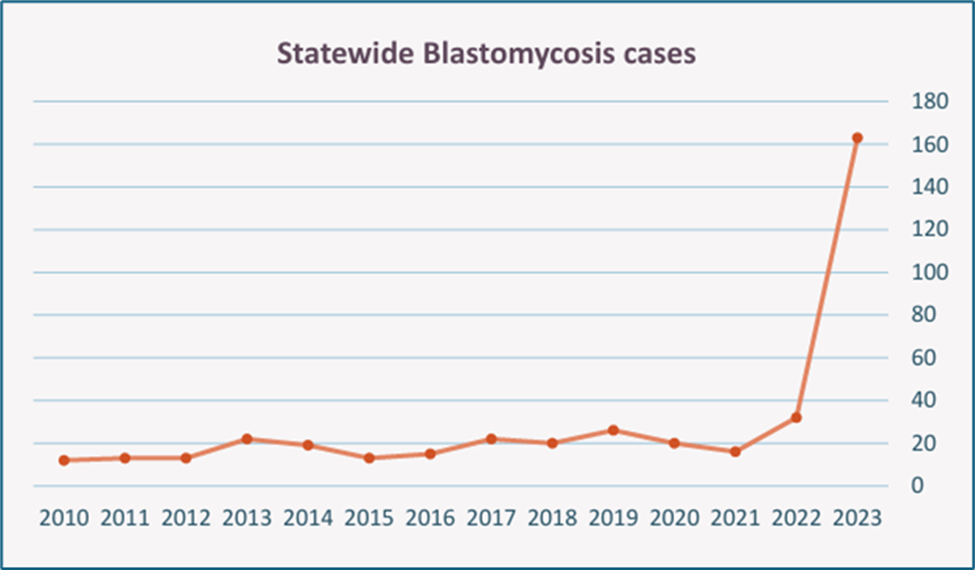
Figure 3. Blastomycosis cases in Michigan.
Source: Adapted from the Michigan Department of Health & Human Services (
MDHHS 2023 [6CAFWM98] MDHHS. 2023. “Michigan Emerging and Zoonotic Disease Surveillance Summary.” https://www.michigan.gov/emergingdiseases/-/media/Project/Websites/emergingdiseases/EZID_Annual_Surveillance_Summary.pdf?rev=beed8df505004c28a8c8205511bd40dd.
).
Community outbreaks in the United States resulted from soil disruption and outdoor recreational activities in endemic areas ( Reik 2024 [KEJJIVZK] Reik, Rebecca. 2024. “The Fungus Among Us; A Blastomycosis Outbreak in Escanaba.” 2024 Michigan Communicable Disease Conference, April 29. https://www.michigan.gov/mdhhs/-/media/Project/Websites/mdhhs/CD-Conference/2024/The-Fungus-Among-Us-A-Blastomycosis-Outbreak-in-Escanaba.pdf?rev=6634da0265194673b226c58dedbd9c33&hash=6B62B35C96828C320951D01E2E7601A0. ). Previous environmental outbreaks in Wisconsin (from 1984 to 2022) appeared to be associated with excavation, construction, and outdoor recreational activities such as hunting, fishing, or canoeing. CDC ( CDC 2024 [8AGBRDMP] CDC. 2024. “Guidance for Investigating Fungal Disease Outbreaks.” Fungal Diseases, May 8. https://www.cdc.gov/fungal/php/guidance-investigating-outbreaks/index.html. ) defines an environmental outbreak as two or more cases of a disease that are linked or attributed to a common source or area.
In 2023, the largest documented outbreak of blastomycosis occurred among paper mill workers in Escanaba, Delta County, Michigan. The paper mill uses wood products (logs and chips) to manufacture large rolls of paper (Figure 4). Atypical pneumonia infections in male workers of the Escanaba Billerud Paper Mill began in January, and on February 28, the mill management notified the local public health officials of Public Health: Delta and Menominee Counties (PHDM) ( Reik 2024 [KEJJIVZK] Reik, Rebecca. 2024. “The Fungus Among Us; A Blastomycosis Outbreak in Escanaba.” 2024 Michigan Communicable Disease Conference, April 29. https://www.michigan.gov/mdhhs/-/media/Project/Websites/mdhhs/CD-Conference/2024/The-Fungus-Among-Us-A-Blastomycosis-Outbreak-in-Escanaba.pdf?rev=6634da0265194673b226c58dedbd9c33&hash=6B62B35C96828C320951D01E2E7601A0. ). On March 9, PHDM issued a press release indicating that 15 pneumonia cases were being investigated with blastomycosis as the possible cause. The press release included information on blastomycosis including source and symptoms, how it is transmitted, and the incidence in the entire state and the Upper Peninsula region. Prior to the press release, notices were also sent to all local health providers and male mill employees.
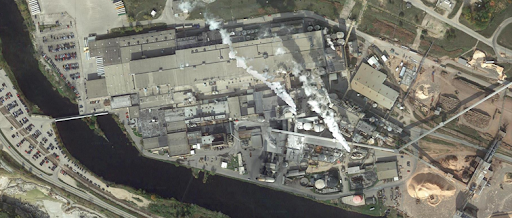
Figure 4. The Escanaba Paper Mill.
Source: Adapted from
Reik 2024 [KEJJIVZK] Reik, Rebecca. 2024. “The Fungus Among Us; A Blastomycosis Outbreak in Escanaba.” 2024 Michigan Communicable Disease Conference, April 29. https://www.michigan.gov/mdhhs/-/media/Project/Websites/mdhhs/CD-Conference/2024/The-Fungus-Among-Us-A-Blastomycosis-Outbreak-in-Escanaba.pdf?rev=6634da0265194673b226c58dedbd9c33&hash=6B62B35C96828C320951D01E2E7601A0.
.
The Escanaba outbreak was linked to activities that disturbed fungi-infected soil and decomposing organic matter (e.g., plants), including digging or raking leaves, which released microscopic spores that were inhaled by workers. Reported symptoms included fever and cough.
The paper mill asked the National Institute of Occupational Safety and Health (NIOSH) to conduct a human health evaluation of the incident. NIOSH, together with PHDM, the Michigan Department of Health and Human Services, CDC, and area healthcare providers, carried out a collaborative investigation and evaluation of the outbreak. Epidemiologic data collection included employees submitting samples for the urine antigen test and completing a questionnaire on work duties, locations, and health status. A multi-agency site visit in March observed “no single obvious source.”
The characteristics of the Escanaba outbreak were compared to other outbreaks (Table 1). The overall occurrence rate in the Escanaba outbreak was 15%. The 89% occurrence in males was higher than those observed in Michigan (54%) and from five other states (64%) during the period 2019–2021 ( MDHHS 2023 [6CAFWM98] MDHHS. 2023. “Michigan Emerging and Zoonotic Disease Surveillance Summary.” https://www.michigan.gov/emergingdiseases/-/media/Project/Websites/emergingdiseases/EZID_Annual_Surveillance_Summary.pdf?rev=beed8df505004c28a8c8205511bd40dd. Williams 2024 [YSL993HG] Williams, Samantha L. 2024. “Surveillance for Coccidioidomycosis, Histoplasmosis, and Blastomycosis During the COVID-19 Pandemic — United States, 2019–2021.” MMWR. Morbidity and Mortality Weekly Report 73. https://doi.org/10.15585/mmwr.mm7311a2. ). The hospitalization rate for the Escanaba cases (12%) was much lower than that for the entire state (45%).
Table 1. Comparison of Escanaba outbreak demographics with other outbreaks
| Outbreak Cases (n=131) |
Michigan, 2019–2021 |
Five US States, 2019–2021 |
|
| Deaths | 1% | 8% | 14% |
| Hospitalizations | 12% | 45% | 64% |
| Age 40–65 | 57% | 50% | 45% |
| % Male | 89% | 54% | 64% |
Source: Adapted from Reik 2024 [KEJJIVZK] Reik, Rebecca. 2024. “The Fungus Among Us; A Blastomycosis Outbreak in Escanaba.” 2024 Michigan Communicable Disease Conference, April 29. https://www.michigan.gov/mdhhs/-/media/Project/Websites/mdhhs/CD-Conference/2024/The-Fungus-Among-Us-A-Blastomycosis-Outbreak-in-Escanaba.pdf?rev=6634da0265194673b226c58dedbd9c33&hash=6B62B35C96828C320951D01E2E7601A0. .
Certain populations are identified to be at higher risk of blastomycosis, including pregnant women, people with weakened immune systems, and outdoor workers. In addition, people from certain racial and ethnic groups may have higher risk for severe blastomycosis infection or hospitalization ( CDC 2024 [BW3W3MP7] CDC. 2024. “Blastomycosis.” Blastomycosis, April 24. https://www.cdc.gov/blastomycosis/index.html. ). In the Escanaba outbreak, workers with blastomycosis were younger and had shorter work tenure at the mill. The median age of workers was 46 years. The epidemiologic investigation included 645 workers. Those with blastomycosis numbered 162 (25%), and the illness was observed from November 2022 through mid-May 2023. No blastomycosis cases were observed in April after the mill was thoroughly cleaned. The prevalence rate among mill workers was approximately 20%. Figure 5 shows the work locations of workers identified as blastomycosis cases.
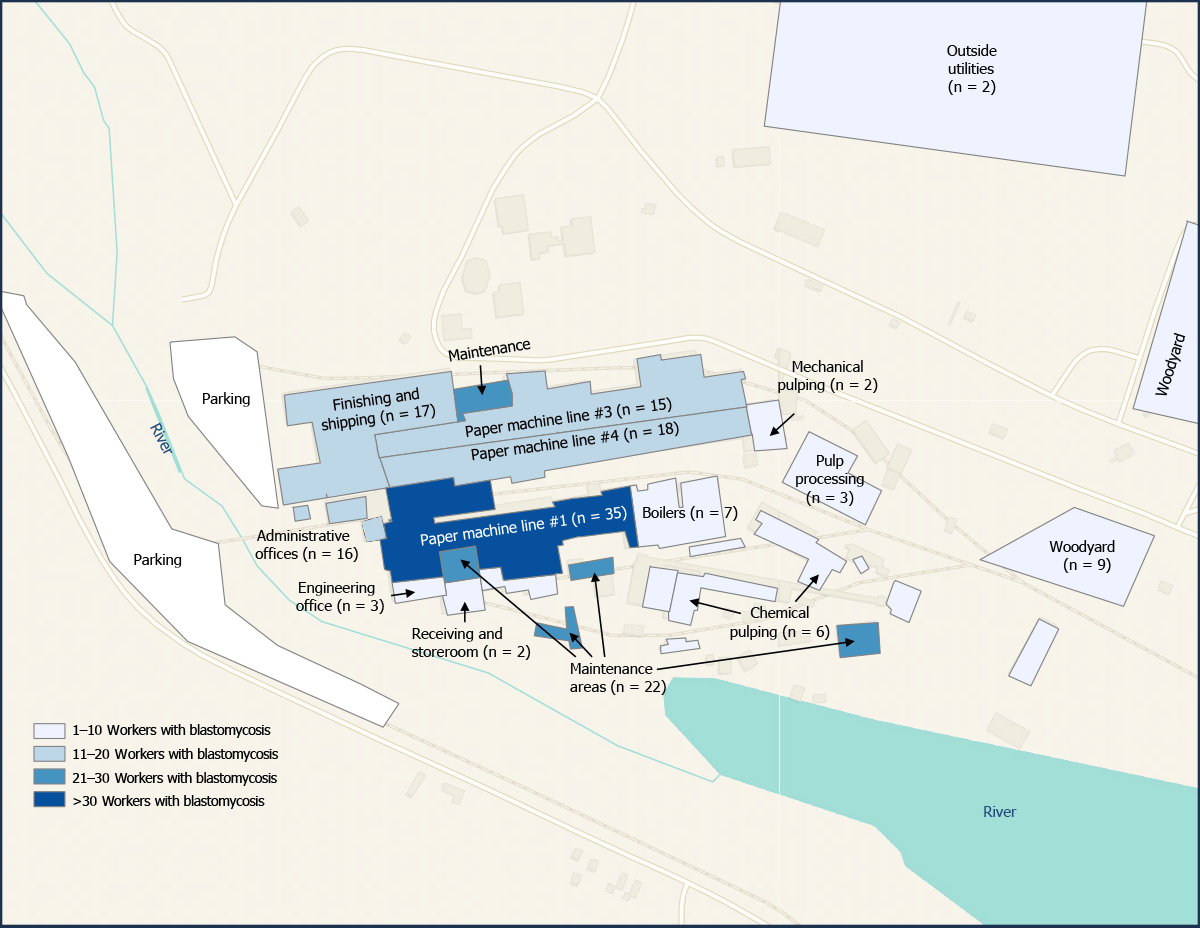
Figure 5. Work locations at the paper mill for workers with blastomycosis (n=162) — Michigan 2023.
Source: Adapted from
Harvey 2025 [D69UJVP2] Harvey, R. Reid. 2025. “Outbreak of Blastomycosis Among Paper Mill Workers — Michigan, November 2022–May 2023.” MMWR. Morbidity and Mortality Weekly Report 73. https://doi.org/10.15585/mmwr.mm735152a2.
.
A study of the patients with blastomycosis suggests that although exposures occurred at or near the mill among workers who were young and healthy, those with immunosuppressed conditions, such as diabetes, were the workers who ended up hospitalized ( Hennessee et al. 2025 [Y6KKB9NH] Hennessee, Ian, Sara Palmer, Rebecca Reik, et al. 2025. “Epidemiological and Clinical Features of a Large Blastomycosis Outbreak at a Paper Mill in Michigan.” Clinical Infectious Diseases 80 (2): 356–63. https://doi.org/10.1093/cid/ciae513. ). The study reported that prompt testing of the workers and prompt seeking of care by workers experiencing symptoms may have reduced the duration of the outbreak. These factors are attributed to increased patient and provider awareness.
Extensive environmental sampling of various media including soil, wood chips, indoor surface dust and water, dust, duct lining, and HVAC system filters was conducted from various work locations (see Figure 5) of workers positive for blastomycosis to identify the source of Blastomyces. Samples from indoor and outdoor potential sources were analyzed using polymerase chain reaction (PCR) or culture at the Marshfield Clinic Research Institute and University of Wisconsin–Madison research laboratories ( Harvey 2025 [D69UJVP2] Harvey, R. Reid. 2025. “Outbreak of Blastomycosis Among Paper Mill Workers — Michigan, November 2022–May 2023.” MMWR. Morbidity and Mortality Weekly Report 73. https://doi.org/10.15585/mmwr.mm735152a2. ). No Blastomyces were detected in those samples.
1.3.2 Hypothetical CEM for Blastomycosis Outbreak: (Refer to Figures 1–3)
A hypothetical CEM for the blastomycosis outbreak is presented in Table 2.
Table 2. Conceptual exposure model of the blastomycosis outbreak
| CEM Factors | Key Variables | Description |
| Impacted Medium | Environmental media in and around the mill | Blastomyces living in soil, indoor dust, and other environmental media (wood chips, decaying organic matter, HVAC filters) |
| Cross-Media Transfer | Release of fungal spores into ambient and indoor air | |
| Exposure Medium | Air | Contaminated indoor and ambient air |
| Exposure Scenario | Host exposure | Inhalation of fungal spores in air |
| Exposed Individual | Host | Symptomatic and asymptomatic cases; 50% of exposed individuals become sick |
| Pathogenicity | Pathogen characteristic | Symptoms are like ones caused by other fungal, viral, and bacterial infections, making diagnosis and treatment difficult; presents as severe blastomycosis — pneumonia and disseminated infections; prevalence rate among mill workers is 20%; death rate among hospitalized cases is 8%–10% |
| Infected Individual | Host | Susceptibility of immunosuppressed individuals/weakened immune systems |
1.3.3 Key Variables Considered: (See the Key Variables Section)
BioCEC Pathogenicity and Transmission
Blastomycoses spores in soil can be released into the air due to soil-moving activities or wind erosion. When Blastomyces spores are transmitted through the air, it may not be possible to avoid inhalation exposure. Infection can cause severe effects such as pneumonia and disseminated infection (extrapulmonary disease) that require hospitalization. The death rate among hospitalized cases is 8%–10%.
The NIOSH health hazard evaluation consisted of epidemiologic investigation (medical survey and urine testing) and environmental assessment of indoor and outdoor environmental samples (indoor surface dust, HVAC duct lining and filters, water, soil, and wood chips). Blastomyces was not detected in the 533 environmental samples using PCR or culture analytical methods. The Michigan Bureau of Laboratories has developed a whole genome sequencing method to speciate the Blastomyces species of concern using clinical isolates from blastomycosis cases with positive culture results. Using the whole genome sequencing method, Michigan identified Blastomyces gilchristii as the specific BioCEC of concern in the Escanaba outbreak.
Host Exposures
Cases were widespread and not limited to outdoor workers. Cases were identified among office workers and workers with limited duration of exposures (e.g., contractors). Outdoor workers with immuno-suppressed conditions (diabetes, asthma, etc.) had a higher risk of exposure (duration and frequency), as did people with predisposing concomitant disease conditions. CDC ( CDC 2024 [BW3W3MP7] CDC. 2024. “Blastomycosis.” Blastomycosis, April 24. https://www.cdc.gov/blastomycosis/index.html. ) recommends that people who have weakened immune systems or increased susceptibility to infection should not only avoid activities that involve disrupting soil (yard work, gardening/digging) but also should remain inside during windy or dusty conditions. Nevertheless, most of the mill workers who got sick appear to have been indoor workers.
Environmental Conditions
Fungi are known to live in the soil and organic matter. Soil-related moving activities can cause fungal spores to be released into ambient air. CDC ( CDC 2024 [BW3W3MP7] CDC. 2024. “Blastomycosis.” Blastomycosis, April 24. https://www.cdc.gov/blastomycosis/index.html. ) reports that certain outdoor activities, such as forestry work, hunting, fishing, camping, or activities that involve digging and excavation, can mobilize more spores into the air and increase the risk of exposure. In addition, high wind gusts can increase spores in the air. In the Escanaba outbreak, blastomycosis cases occurred among indoor workers, specifically those working in the paper machine line #1 (35 cases) and maintenance (22 cases), administrative offices (17 cases), and various other work locations (see Figure 5). The Escanaba outbreak is an indoor occupational exposure scenario; in contrast, exposure scenarios of other reported outbreaks are related to recreational or soil-related outdoor work.
1.4 Actions Taken in Response to the Blastomycosis Outbreak
The Process Guide section outlines actions that may be considered when a BioCEC incident or outbreak is confirmed to be present. These include the following actions:
- Notifications and coordination with stakeholders and state, federal, and local agencies
- Communication with the public
- Response planning and implementation
For each action step, key questions are considered such as the following:
- Is the potential BioCEC multijurisdictional?
- How should public communication be coordinated?
- Does guidance for responding to the BioCEC already exist?
- What role should each agency play in public communication?
- How much technical detail should be included in communication?
- What existing CEM could be applied or used to develop a CEM specific to the scenario at hand?
- What is the severity and frequency of risk to public health due to exposure to BioCEC?
- What are the elements of a feasible response to reduce, mitigate, or prevent human exposure?
- What are the roles of various coordinating agencies in the response strategy?
The Process Guide section discusses these steps and their key questions.
In the Escanaba blastomycosis outbreak, response actions taken included the following:
- Coordination and collaboration occurred between the company (mill) management, NIOSH, two county health departments, the state Department of Health and Human Services, CDC, and area healthcare providers that provided data to inform the evaluation of the outbreak and implement the response to reduce and eliminate exposures.
- Investigations included collection of information on site and site activities, town hall meetings, worker interviews and urine sampling, extensive environmental sampling of various media in and around the mill, and publication of interim findings.
- Mill management voluntarily stopped operations for three weeks while deep cleaning was undertaken in April. No new cases occurred in May and thereafter.
- Workers wore NIOSH-approved N95 respirators, especially those at higher risk, such as workers with immunosuppressed conditions or those who had more frequent exposures to soil or dust (HVAC filter changing or soil-disturbing activities).
- Information and communication strategies were implemented that included informational town hall meetings to answer employee questions about blastomycosis, their risks and current exposures, and the evaluation process being conducted.
- Communications occurred between the health department and local providers, between mill management and union leaders, and between union leaders and mill workers.
- The involved organizations supported increased media coverage and sharing of local provider experiences with the community.
- Michigan established a website that provides information on blastomycosis, such as a statewide incidence graph and recommended actions, for example, “What can be done by health providers, public health agencies, or individual citizens to protect themselves?”
Successful features of the investigation and response actions include the following:
- Successful and rapid coordination and collaboration by multiple agencies.
- High participation rate in the screening of workers (70% of 800 workers).
- High awareness among workers and the public, which led to faster case identification and treatment.
- Outbreak awareness may have been enhanced by communications that occurred between the health department and local providers, between mill management and union leaders, and between union leaders and mill workers ( MDHHS 2023 [6CAFWM98] MDHHS. 2023. “Michigan Emerging and Zoonotic Disease Surveillance Summary.” https://www.michigan.gov/emergingdiseases/-/media/Project/Websites/emergingdiseases/EZID_Annual_Surveillance_Summary.pdf?rev=beed8df505004c28a8c8205511bd40dd. ). Additionally, increased media coverage and sharing of local provider experiences with the community may have contributed to the shortened outbreak duration. CDC ( CDC 2024 [BW3W3MP7] CDC. 2024. “Blastomycosis.” Blastomycosis, April 24. https://www.cdc.gov/blastomycosis/index.html. ) recommends that information outreach to at-risk people, including those in states adjacent to states where blastomycosis has been reported, may need to be actively conducted by public agencies, health providers, and community leaders.
- PHDM, with help from the CDC and infectious disease specialists, developed guidance on how to handle the workers who tested positive on the urine antigen test but were asymptomatic.
- The MDHHS Bureau of Laboratories developed an in-house protocol for whole genome sequencing of isolates, which allowed for speciation and cluster analysis of samples.
Limitations and challenges of the investigation strategies ( Harvey 2025 [D69UJVP2] Harvey, R. Reid. 2025. “Outbreak of Blastomycosis Among Paper Mill Workers — Michigan, November 2022–May 2023.” MMWR. Morbidity and Mortality Weekly Report 73. https://doi.org/10.15585/mmwr.mm735152a2. Reik 2024 [KEJJIVZK] Reik, Rebecca. 2024. “The Fungus Among Us; A Blastomycosis Outbreak in Escanaba.” 2024 Michigan Communicable Disease Conference, April 29. https://www.michigan.gov/mdhhs/-/media/Project/Websites/mdhhs/CD-Conference/2024/The-Fungus-Among-Us-A-Blastomycosis-Outbreak-in-Escanaba.pdf?rev=6634da0265194673b226c58dedbd9c33&hash=6B62B35C96828C320951D01E2E7601A0. ) include the following:
- Use of the urine antigen test for screening a large group of asymptomatic cases. The significance of an asymptomatic person testing positive may be helpful to the investigation but not for clinical evaluation. This test is reported to have a 96% cross-reactivity between blastomycosis and histoplasmosis. In addition, workers who self-reported blastomycosis had taken antifungal medication.
- Difficulty in detecting Blastomyces species from environmental samples. There is no established method for testing Blastomyces in environmental samples. Culture and PCR at research labs were used.
2. Case Study: 2018 Escherichia coli Outbreak Linked to Romaine Lettuce
2.1 Summary
This case study provides an example of how a CEM can be applied under real-life circumstances. This case study is associated with romaine lettuce grown from the Yuma region of Arizona that was reportedly linked to illnesses in several states and Canada. Five of the 210 reported infected people died. Traceback evidence indicates that the romaine lettuce was from Arizona. The state agencies of agriculture and environmental quality and two federal agencies, the CDC and the US Food and Drug Administration (FDA), coordinated their investigations. The goal was to understand the outbreak including potential causes and environmental transmission pathways, monitoring issues and approaches, stakeholder and community participation, current policies and procedures, and other factors that may have contributed to the outbreak. This case study provides a glimpse of the complexity and the multijurisdictional nature of some BioCEC investigations. The Interstate Technology and Regulatory Council BioCEC guidance provides a review of systematic process and resources for conducting investigations of BioCEC events or outbreaks.
2.2 Background
CDC listed 24 foodborne pathogenic outbreaks in 2018. The outbreaks were caused by various strains of Salmonella, Vibrio parahaemolyticus, Cyclospora, Listeria monocytogenes, and two strains of Escherichia coli (E. coli), O26 and O157:H7, the last being of concern in this case study. Most outbreaks were traced back to meat, seafood, or vegetables, both cooked and raw, all prepared for shipping and sale for consumption in homes or restaurants. In 2017, one outbreak was associated with leafy greens contaminated with E. coli strain O157:H7. In 2019, there were 17 outbreaks, three of which involved the Shiga toxin–producing E. coli O157:H7 (STEC) in romaine lettuce or salad kits. STEC is generally associated with cows and is a major cause of food poisoning that can lead to severe complications, including hemolytic uremic syndrome ( Alouf et al. 2015 [92DK6G4U] Alouf, Joseph, D. Ladant, and M. R. Popoff. 2015. “The Comprehensive Sourcebook of Bacterial Protein Toxins.” In The Comprehensive Sourcebook of Bacterial Protein Toxins (Fourth Edition). Academic Press. https://doi.org/10.1016/B978-0-12-800188-2.00044-6. ).
The subject of this case study was associated with romaine lettuce that had been harvested on April 16, 2018. As of June 27, 2018, it was reported that 210 people had been infected in 36 states, and ill people were identified in several Canadian provinces. The infected people ranged in age from 1 to 88 years. Of the 201 people for which information is available, 96 were hospitalized, including 27 people who developed hemolytic uremic syndrome, a type of kidney failure. Five deaths were reported from Arkansas, California, Minnesota (2), and New York.
CDC’s summary of this incident may be found in their web-based archive. Traceback evidence indicated that romaine lettuce from the Yuma growing region of Arizona was the source of the outbreak. CDC laboratory testing identified a clade of E. coli O157:H7 in water samples taken from the Wellton Canal. The outbreak is listed as being over as of June 28, 2018.
On July 27, 2018, the Arizona Department of Agriculture (AZDA), CDC, and the FDA requested the Arizona Department of Environmental Quality’s (ADEQ’s) assistance with determining how O157:H7 was transported to the Wellton-Mohawk Canal. The ADEQ attended The Leafy Greens Food Safety Task Force (Task Force) meetings held on July 31 and August 1, 2018, during which the Task Force working groups, CDC and FDA shared their investigation results, observations, and recommendations with the Yuma farming community. Shortly thereafter, on August 6, 2018, a third joint CDC/FDA sampling event was begun and attended by two hydrogeologists from ADEQ. After the August 2018 sampling event, ADEQ assembled an internal team of technical professionals to explore the background factors that influenced the environmental transmission pathways of the outbreak. The timeline of the outbreak event is presented below in Figure 6.
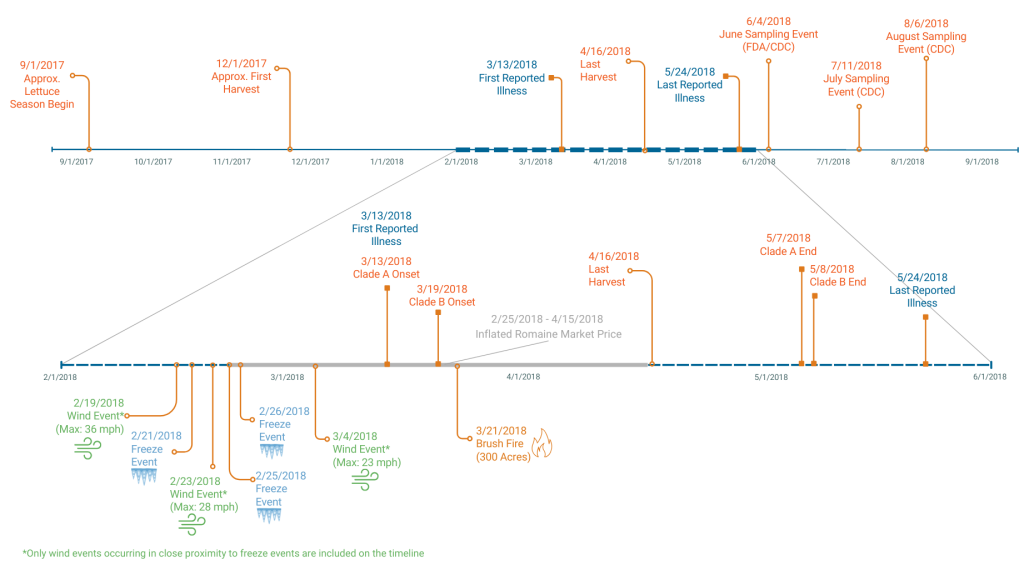
Figure 6. 2018 Escherichia coli outbreak timeline.
2.3 The Growing Fields
Yuma, Arizona, is known as the salad bowl of the nation, producing more than 90% of the winter leafy greens and vegetables consumed in the United States ( University of Arizona, Cooperative Extension 2020 [ZJJELFYG] University of Arizona, Cooperative Extension. 2020. “University of Arizona Cooperative Extension Newsletter.” March. https://extension.arizona.edu/sites/extension.arizona.edu/files/attachment/03-March.pdf. ). Between the months of November and March, Yuma is the epicenter of US production of salad greens.
The agricultural fields in Yuma are interspersed with farmhouses, hobby farms, storage structures, and at least three concentrated animal feeding operations (CAFOs). Cattle are housed in the CAFOs with little to no separation between the fields used for growing lettuces and corn; other feedstock; and the holding pens, drainage channels, detention ponds, and other infrastructure required for operation. The Yuma agricultural fields are located within the Colorado River delta and mark the low point of the division between the Sonoran Desert section and the Salton Trough section of the Basin and Range physiographic province. This area is characterized by low mountains separated by desert plains cut by the flood plains of the Colorado and Gila Rivers ( Olmsted et al. 1973 [XKL9FH2Q] Olmsted, F. H., O. J. Loeltz, and Burdge Irelan. 1973. “Geohydrology of the Yuma Area, Arizona and California.” https://pubs.usgs.gov/pp/0486h/report.pdf. ).
2.4 Watering the Growing Fields
The Wellton-Mohawk Canal transports water from the Colorado River through pumping plants to 58,200 acres of irrigable growing fields in Yuma, Arizona. The Wellton-Mohawk Irrigation and Drainage District has approximately 378 miles of main canals, laterals, and return flow channels (Figure 7).
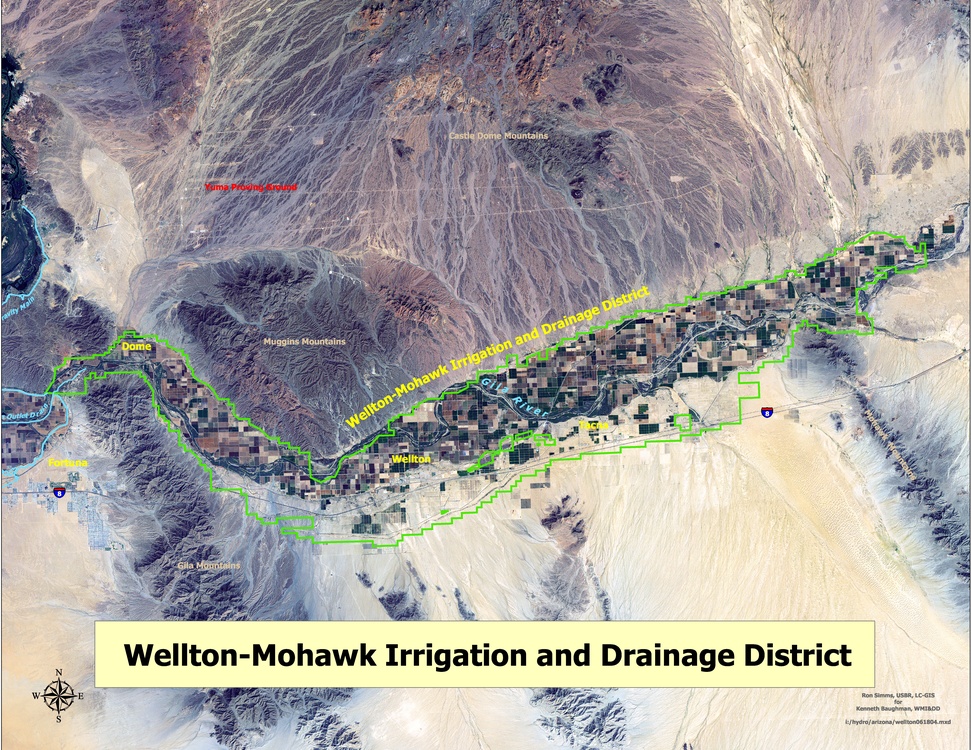
Figure 7. Wellton-Mohawk Irrigation and Drainage District.
Source: https://www.wmidd.org/photos.html used with permission.
Some of these canals have been built below the groundwater table and can gain water under certain conditions. The return water exits the canal system at the Colorado River and includes a network of 90 extraction wells and 300 observation wells used to control the water table and prevent the high saline water from entering the crop root zone. For a more detailed description of this unique water system, please see https://www.wmidd.org/irrigation.html.
2.5 Conceptual Exposure Model: The Environmental Transmission Pathway
Since human exposure had already occurred, this case study does not discuss the entire CEM because human exposure had unfortunately already come to pass. This investigation was focused on a boots-on-the-ground assessment of potential environmental transmission pathways, many of which still exist today. The CEM includes identification of the following:
- Biological contaminant, in this case E. coli strain O157:H7, which produced STEC
- Environmental medium, discussed in Environmental Medium below
- Exposure medium, the romaine lettuce
- People across North America who ate the romaine lettuce
- Priority, which remains high due to the limited winter season growing areas within the United States and the demand for fresh vegetables in the off season
- Geography, which is unique and mentioned repeatedly throughout this case study
2.6 Environmental Medium
Site visits, farmer interviews, and staff knowledge of the farming community and its practices. together with the previous work completed by CDC and FDA, determined potential sources and transmission pathways within the Yuma growing fields. The identification of potential sources and transport pathways was based on the results of three rounds of field sampling completed by CDC and FDA in early June through August 2018. A network map was created to assist in understanding the complexity of potential E. coli transport pathways (Figure 8) and planning future sampling events. The network depicts all the potential sources of O157:H7 STEC to the Wellton-Mohawk Irrigation and Drainage District and the romaine lettuce growing fields.
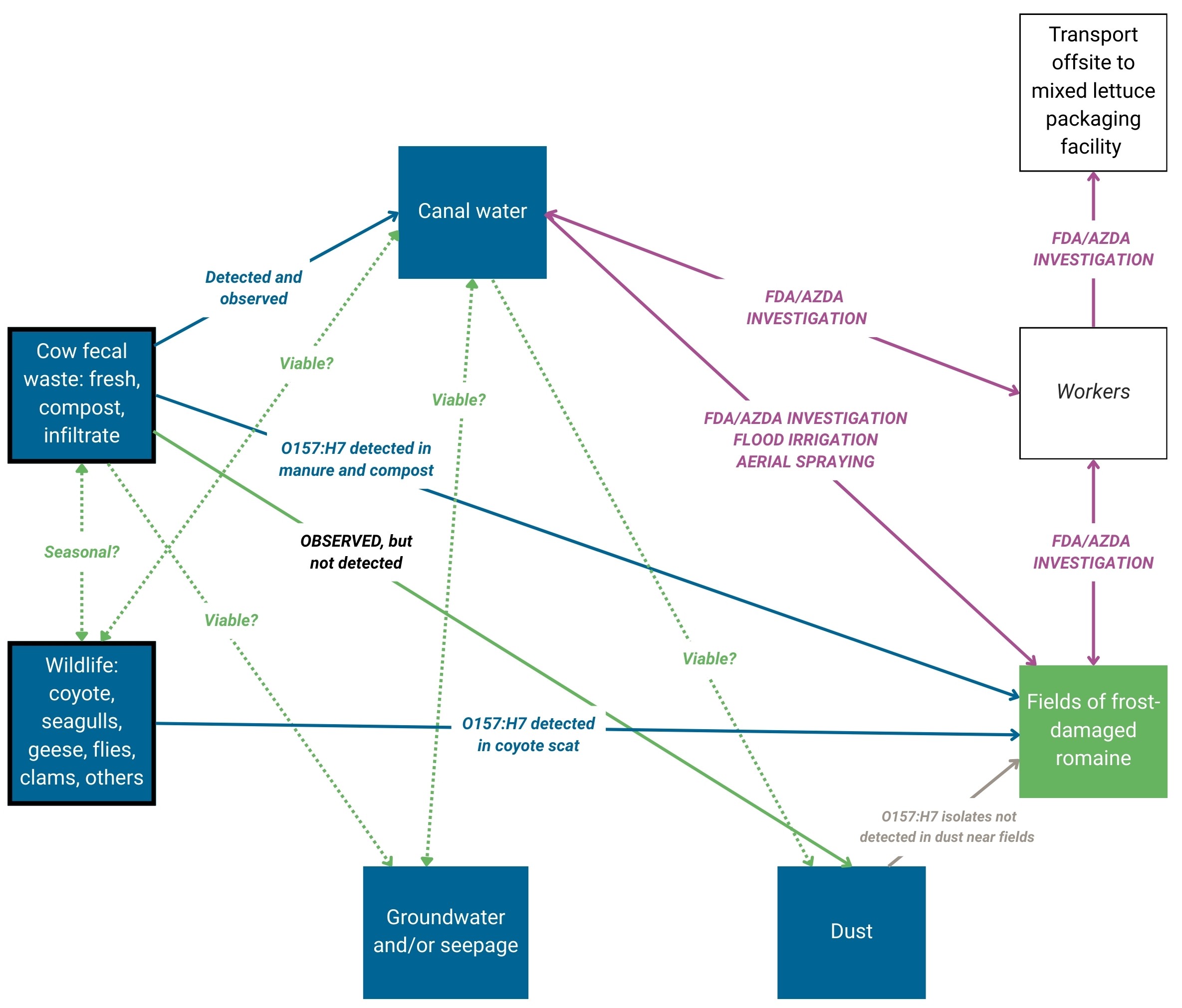
Legend
Arrows indicate transmission direction
Black outlined boxes – potential E. coli sources
Blue boxes – environmental media included in ADEQ scope
Gray lines indicate an eliminated transmission pathway
Green box – growing fields identified through CDC traceback investigation
Purple text and lines indicate the investigation areas included in the CDC/FDA/AZDA scope of work
Figure 8. Potential transmission pathways.
Note that the sampling conducted in connection with this investigation was limited to a single point in time from specific locations.
The June/July CDC and FDA field results identified the outbreak strain in the following contexts:
- A swab of a cow
- Raw and dry manure and finished compost
- Coyote scat
- Soil along the CAFO fence line
- Sediment within the CAFO
- Algae in the canal
- Filtration to the main delivery canal
- The Welton Field Irrigation Canal
- Canal water near the CAFO
- Upstream of the CAFO within the irrigation channel
When mapped, the locations of these samples did not help identify a specific transmission pathway for this outbreak. Although CDC’s traceback analysis was able to identify the specific fields from which the lettuce was harvested, the lettuce may have been infected during many activities and in many places, such as during harvest activities, washing the harvested produce, transport of the produce, and packaging the produce into bags of mixed greens. The question remains how and whether STEC was transported to those specific fields and not others and whether there was a common environmental pathway or source to both the canal and the field.
The network diagram illustrates the number of different environmental reservoirs for E. coli that exist within the existing agricultural community and infrastructure and the places where life abounds and where we have not studied whether harmful microorganisms can grow within those environments. CDC had discovered that a late frost had damaged the lettuce, making the plant epidermis more conducive to hosting larger bacterial populations. One of the transmission pathway theories identified by the Leafy Greens Task Force involved the potential for E. coli to be carried on dust particles that were carried to the fields during major wind events coinciding with the freeze-thaw cycle that occurred in Yuma that winter. This pathway was eliminated because E. coli was not detected in any of the dust samples collected in and around the fields.
Another factor that may have affected transmission was the use of canal water for dilution of pesticides that were aerosolized through aerial application by airplane. This theory was evaluated and discarded in a separate investigation conducted by the FDA. Also, many of the identified pathways, when researched, were not found to have any data supporting the viability of E. coli under the specific field conditions. For example, there was no data indicating that E. coli could survive exposure to the aerobic conditions present in the 45-foot-thick vadose zone, making the viability of that pathway questionable.
After many discussions, literature research, targeted sampling, and information gathering in the field, the team eventually came to the realization that without careful, ongoing monitoring, it would not be possible to evaluate the factors that lead to an outbreak. The numerous septic systems, domestic animals, hobby farms, CAFOs, itinerant sheep herds, and wild animals all interacting with the canal water at different locations and times would need to be evaluated for the conditions under which an event could result in human exposure to a harmful dose of STEC. Narrowing the root cause down under so many variable conditions would require many data points over time for which ADEQ did not have the funding or capacity to pursue. Due to the lack of funding for the required ongoing monitoring and data evaluation, ADEQ’s Director made the decision to halt Yuma-related planning and sampling activities in October 2018.
2.7 Root Cause
The Leafy Greens Task Force was convened in July 2018 with a membership of 134 individuals representing growers, shippers, trade associations, state and local government agencies, scientists, consumer advocacy groups, produce buyers, and industry suppliers. The Task Force consisted of five workgroups: 2018 Outbreak Workgroup, CAFO Workgroup, Seasonality Workgroup, Traceability Workgroup, and Communications Workgroup. The FDA and CDC served as technical and informational advisers to the Task Force. The Task Force workgroups reviewed data and information regarding the outbreak and documented recommendations that can be viewed in this factsheet: About the Leafy Greens Food Safety Task Force (Attachment A).
Completion of an Ishikawa Fishbone diagram by the ADEQ team, together with the recommendations of the Task Force, yielded many potential causes that may have contributed to the presence of STEC in romaine lettuce at the time of the 2018 spring harvest. This exercise was chosen and conducted as a way of identifying potential causes of the outbreak so that countermeasures could be identified and preventive measures implemented. Use of root cause exercises for problem solving is part of the Arizona Management System stemming from the practice of the Lean business methodology. The Ishikawa Fishbone diagram is named thus because the commonly used template looks like a fishbone; it is a cause-and-effect exercise that divides potential causes into several categories that stem from the problem or “head” of the fish. In this case, the team was looking for potential causes for the outbreak, such as the following.
- Policies and procedures — Statutes or rules that may have contributed to the problem, how activities were conducted, and whether standards of practice were followed
- People — Human actions, behaviors, skills, or lack thereof
- Measurement — How it is measured, what is measured, and why it is measured
- Environment — The physical, cultural, and perceived factors that may have influenced the situation
- Systems — Software and equipment
The ADEQ team worked to gather as much known information in each of these categories for the analysis, but not all data was easily available. Some of the causes discussed below were discovered as the circumstances unfolded and research progressed. Many of these causes were communicated as recommendations and eventually used to create the Leafy Greens Training Guide available to the farming community through a partnership between CDC and AZDA.
2.8 Policies and Procedures
No regulations in Arizona keep farm fields separated from CAFOs, and several CAFOs are located among the Yuma growing fields. Two types of environmental permits may apply to a CAFO: an Aquifer Protection Permit and the Arizona Pollutant Discharge Elimination System Permit (AZPDES). The Aquifer Protection Permit Nitrogen Management General Permit is required for operation of a CAFO and protects groundwater by minimizing discharge of nitrogen to groundwater from waste impoundments and other CAFO activities through the use of best management practices. An AZPDES permit is required if a facility intends to discharge to a US water body. ADEQs inspection and sampling of the CAFOs showed no detection of STEC on the hides, waste, biosolids, or lagoons and no deficiencies in their practices. Nevertheless, as discussed above, earlier that spring, STEC genetically linked to the outbreak was detected in water and algae samples obtained from the Wellton Canal near the largest closely located CAFO.
Historically, fresh manure and compost is sold to farms in Wellton Valley. Records to track these sales were not obtained as part of this investigation, although STEC was detected in finished compost that spring.
From stakeholder meetings, it was learned that the romaine lettuce harvested in April 2018 was damaged by late frost and was harvested due to increased demand. It was shared that lettuce purchases were made outside of the regular supply chain in order to respond to the greater demand.
2.8.1 People
The farming community in Yuma very much cares and wants to prevent public exposure to disease-causing bacteria such as STEC from their produce. They seek to learn and use the most updated agricultural safety practices. That being stated, very little data was available regarding the sanitation practices of farmworkers during the 2018 spring harvest.
2.8.2 Measurement
In preparing sampling plans for various environmental media, ADEQ learned that E. coli sampling methodologies used by various federal agencies varied depending on field conditions, available equipment, and personnel. It was difficult to find documented sampling procedures for different media, which made it necessary to create those procedures as part of the planning process. Additional updates to Leafy Greens Marketing Agreement metrics included best practices for environmental assessments, specifically the following:
- Climatic and other environmental conditions such as wind speed, direction, and likelihood of frost
- Updating the traceback protocol to be strict in data collection and reporting requirements as opposed to “when available” sampling protocols
- Adoption of the “traceability vision” and best practices from the Global Food Traceability Center
2.9 Environment
Many of the environmental factors that arose during the root cause analysis were discussed in Root Cause of this case study. Additional factors discussed by the Leafy Greens Food Safety Task Force are listed below:
- STEC can be carried in feces and is commonly associated with cows.
- Wild animals travel unrestricted across the entire area.
- Domestic animals and wildlife live in and around the farms.
- A unique freeze event occurred during the growing season.
- Romaine experiences what is called “epidermal peel” that under specific conditions can make it vulnerable to contamination.
- Bacteria can gain entry to sub-stomata leaf tissues following a freeze event.
- The fields were flood irrigated with Wellton-Mohawk Canal and Gila River water.
- STEC from the same clade was identified in the canal near and upstream of the largest CAFO in the area.
- There were several high wind events, STEC can be aerosolized, and the impacted fields were downwind of the CAFO.
2.10 Systems
Systems-related recommendations are listed below:
- Farmers need to obtain and document data on late-season growing conditions and practices.
- Traceback training needed to be created and conducted for key leaders, retailers, and food service workers, and guidance needed to be created for growers operating near CAFOs.
- Traceability workgroup recommendations included description of a “broken system,” where sampling protocols needed to be developed for all stages of product growth and handling.
Scientific research was needed in the following areas:
- Irrigation research specific to the impacted area
- Freeze mitigation strategies for romaine lettuce
- Real-time weather monitoring
- Agricultural water/irrigation treatment
- Air and soil sampling
- Pathogen mitigation technology and strategies
- Dispersion, deposition, and E. coli survival studies
- Information regarding current industry practices via surveys
- Historical data findings
3. Case Study: Quantitative Microbial Risk Assessment (QMRA)
This subsection summarizes three case studies to demonstrate the use of quantitative microbial risk assessment (QMRA) as a tool to prioritize BioCEC and inform decisions. These case studies summarize the approach used to conduct the risk assessment, including hazard identification, dose–response assessment, exposure assessment, and risk characterization. The World Health Organization ( WHO 2025 [APWV7C7K] WHO. 2025. “World Health Organization (WHO).” https://www.who.int. ) report, “Quantitative microbial risk assessment: application for water safety management” ( WHO 2016 [9LZBRAVC] WHO. 2016. “Quantitative Microbial Risk Assessment.” https://www.who.int/publications/i/item/9789241565370. ) contains an additional three case studies that can be used as an example for those interested in applying QMRA.
3.1 Risk of Salmonellosis from Alternatively Produced Broiler Meat (Golden and Mishra 2021)
The case study published by Golden and Mishra 2021 [SU7QPB9H] Golden, Chase E., and Abhinav Mishra. 2021. “Assessing the Risk of Salmonellosis from Consumption of Conventionally and Alternatively Produced Broiler Meat Prepared In-Home in the United States.” Microbial Risk Analysis 18 (August): 100160. https://doi.org/10.1016/j.mran.2021.100160. focused on Salmonella intervention strategies to mitigate the food safety risks associated with the consumption of contaminated chicken products. Salmonella has always presented major risks to the food safety of broiler meat. With the increased popularity of organic meat options, an understanding of the food safety risks associated with these types of products is required.
The study developed a retail-to-consumption QMRA model that could be used to estimate the differences in risk of salmonellosis acquired from the consumption of conventionally and alternatively (i.e., organic) produced broiler meat in the United States annually. Significant amounts of data were extracted and used to define distributions that could be used to estimate Salmonella growth during retail storage, transportation, and home storage, as well as concentration changes during preparation and due to cross-contamination. A Monte Carlo simulation was performed with 100,000 iterations to estimate the risk of infection per serving and total number of infections in the United States annually from both meat types. Sensitivity analyses determined the factors that were highly correlated with increased risk of salmonellosis in both scenarios. QMRA results showed that conventionally produced chicken meat was estimated to have a median risk of infection per serving of 6.4 × 10⁻⁸ and cause an average of approximately 3,880,000 infections annually compared with a median risk of infection per serving of 7.7 × 10⁻⁸ and an average of approximately 641,000 estimated infections for organic produced chicken. From a risk mitigation perspective, the sensitivity analysis determined that cross-contamination of hands during meal preparation was the most important factor linked to risk. The ‘what-if’ scenario analysis estimated that using antimicrobial soap during hand washing after handling raw chicken can reduce the risk of transmission considerably ( Golden and Mishra 2021 [SU7QPB9H] Golden, Chase E., and Abhinav Mishra. 2021. “Assessing the Risk of Salmonellosis from Consumption of Conventionally and Alternatively Produced Broiler Meat Prepared In-Home in the United States.” Microbial Risk Analysis 18 (August): 100160. https://doi.org/10.1016/j.mran.2021.100160. ). Figure 9 highlights the factors that were considered as part of the assessment.
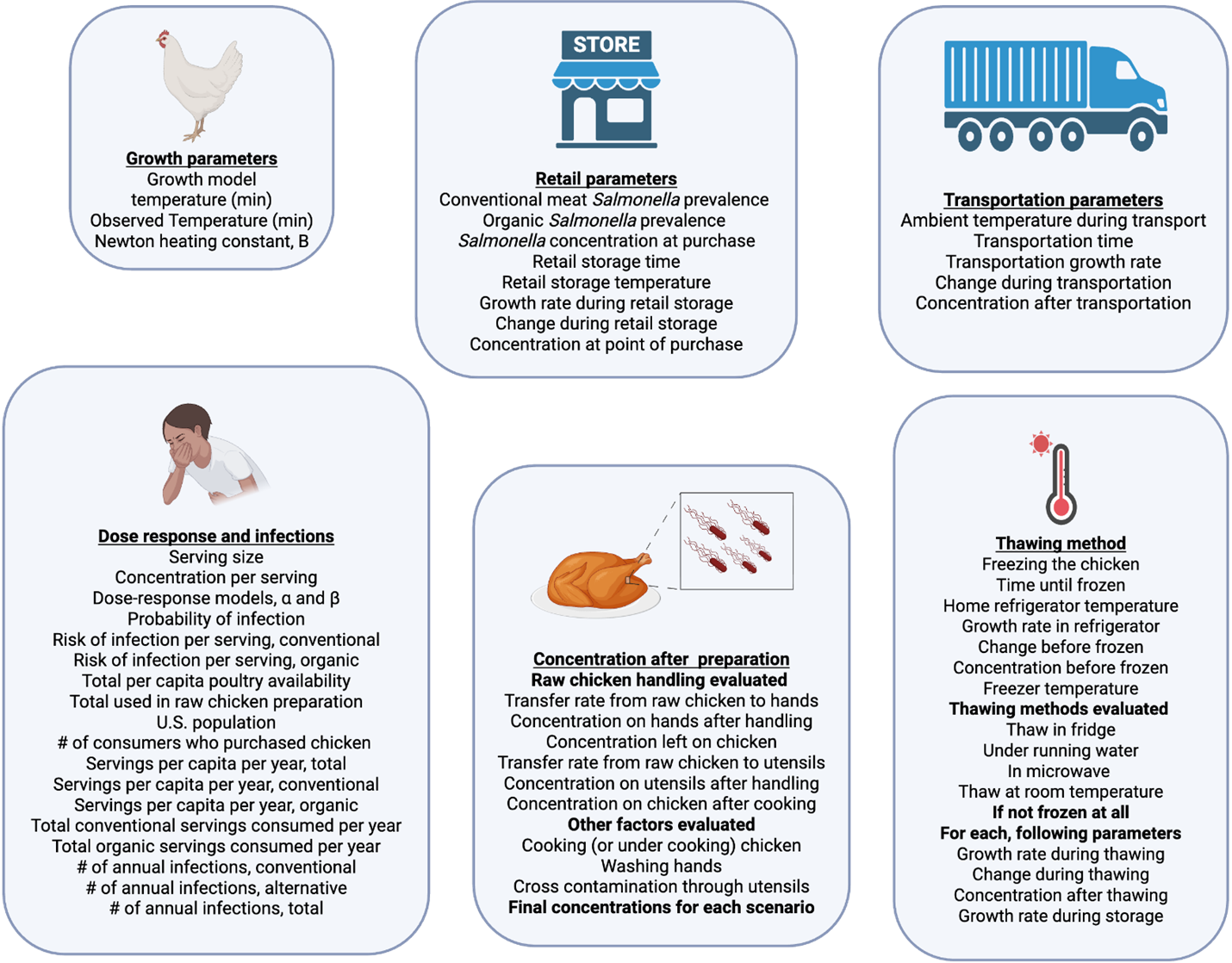
Figure 9. Factors incorporated into the quantitative microbial risk assessment performed by Golden and Mishra 2021 [SU7QPB9H] Golden, Chase E., and Abhinav Mishra. 2021. “Assessing the Risk of Salmonellosis from Consumption of Conventionally and Alternatively Produced Broiler Meat Prepared In-Home in the United States.” Microbial Risk Analysis 18 (August): 100160. https://doi.org/10.1016/j.mran.2021.100160. to compare the risk of salmonellosis from conventional versus organic meat consumption.
Source: Figure created using data from Golden and Mishra 2021.
3.2 Risk of Legionella Infections from Two Shower Exposure Models (Wilson et al. 2022)
In this case study, the authors calculate the risk of Legionella infection for a single shower event using two shower Legionella exposure models (Figure 10). The models varied in how they treated partitioning of Legionella in aerosols and the aerosol deposition in the lung, with Model 1 using larger and fewer aerosol ranges than Model 2. In Model 2, conventional vs. water-efficient showers are modeled separately, while Model 1 described exposure for an unspecified shower type (the study did not describe it as conventional or water efficient). A Monte Carlo approach was used to account for variability and uncertainty in these aerosolization and deposition parameters, Legionella concentrations based on monitoring data, and the dose–response component. Methods for relating infection risks to illness risks accounting for demographic differences were used. Model 2 consistently estimated higher infection risks than Model 1 for the same Legionella concentration in water and estimated deposited doses with less variability. When the shower was 7.8-minutes long with a Legionella concentration of 0.1 colony-forming units per milliliter (CFU/mL), the average infection risks estimated using Model 2 were 4.8 × 10⁻⁶ (standard deviation [SD] = 3.0 × 10⁻⁶) for conventional showers and 2.3 × 10⁻⁶ (SD = 1.7 × 10⁻⁶) for water-efficient showers. Average infection risk estimated by Model 1 was 1.1 × 10⁻⁶ (SD = 9.7 × 10⁻⁷). The authors concluded that the multiple Legionella shower models available for QMRAs yield notably different infection risks for the same environmental microbial concentration.
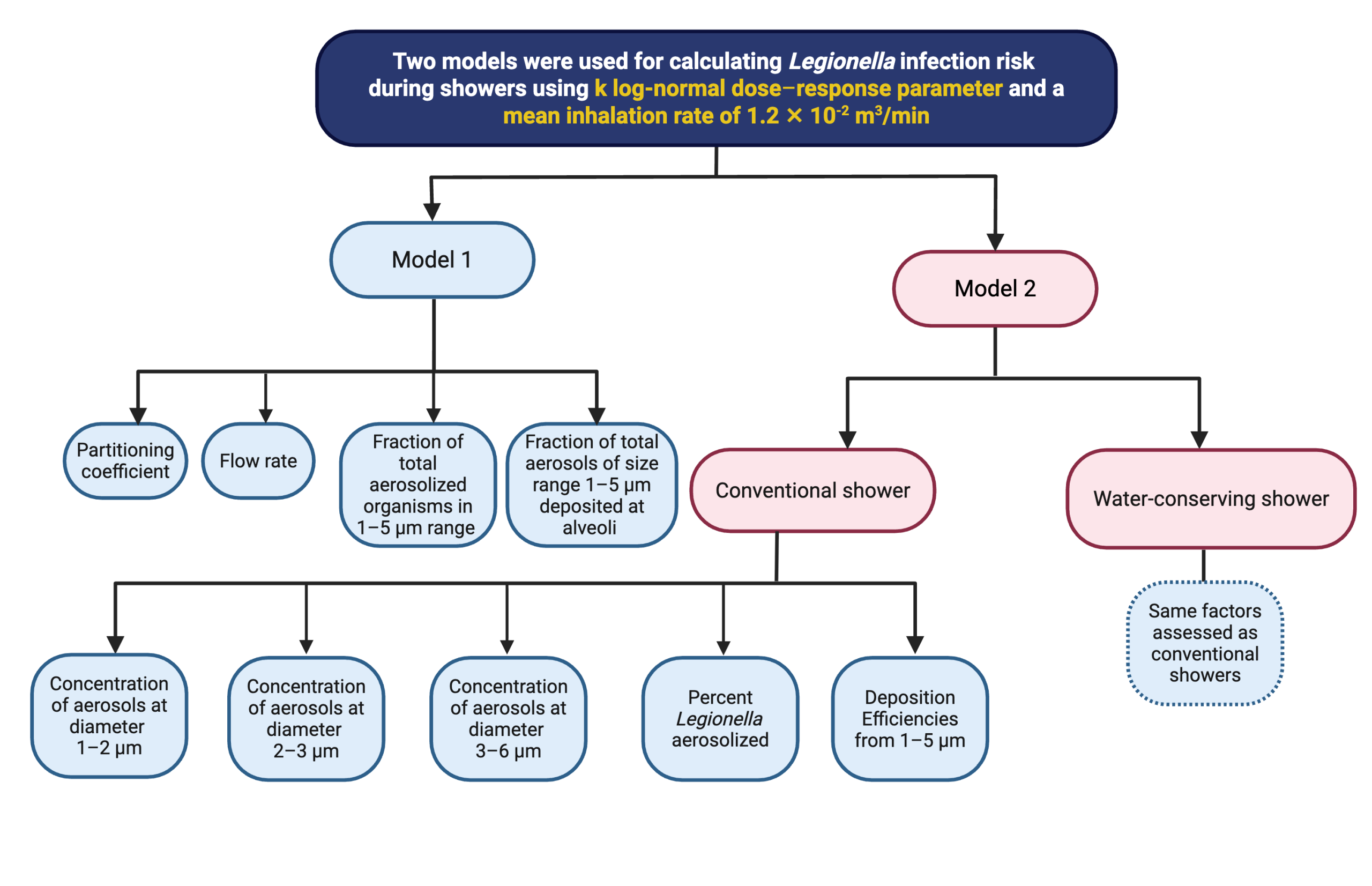
Figure 10. Comparing the variables included in the assessment of the risk of Legionella infection for a single shower event using two shower Legionella exposure models in Wilson et al. 2022 [NFUHH2RA] Wilson, Amanda M., Kelly Canter, Sarah E. Abney, et al. 2022. “An Application for Relating Legionella Shower Water Monitoring Results to Estimated Health Outcomes.” Water Research 221 (August): 118812. https://doi.org/10.1016/j.watres.2022.118812. .
3.3 Using Quantitative Microbial Risk Assessment for Direct Potable Water Reuse Treatment Targets in California (California State Water Resource Control Board 2024)
Direct potable reuse (DPR) is the direct use of recycled water in either a public drinking water system or a raw water supply proximately upstream of a drinking water treatment plant ( California State Water Resource Control Board 2024 [LQG2FRQA] California State Water Resource Control Board. 2024. “Regulating Direct Potable Reuse in California.” https://www.waterboards.ca.gov/drinking_water/certlic/drinkingwater/direct_potable_reuse.html. ). There is extreme concern for criteria development for DPR to establish the necessary treatment level to safeguard protection of public health. To maintain an acceptable level of human health risk, QMRA is conducted to determine the concentrations of pathogen in finished water. When this information is combined with the initial concentrations of pathogens in raw wastewater, the required log10 reduction values (LRVs) to treat raw wastewater to create finished drinking water is determined (Figure 11).
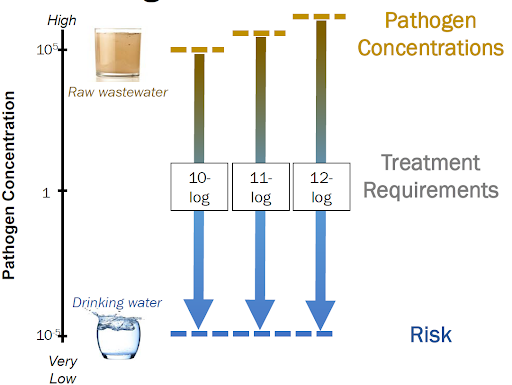
Figure 11: Direct potable reuse pathogen risk.
Source: Pecson et al. 2021 © The Water Research Foundation
Pecson et al. 2021 [ML58QCP2] Pecson, Brian, N. Ashbolt, Haas C., and et al. 2021. Tools to Evaluate Quantitative Microbial Risk and Plant Performance/Reliability. Project 4951. Denver, CO: The Water Research Foundation. https://www.waterrf.org/research/projects/tools-evaluate-quantitative-microbial-risk-and-plant-performancereliability.
.
A web-based tool called DPRisk was created to identify the performance of a specific DPR system and to inform the development of risk-based criteria for the design and operation of DPR systems. The DPRisk tool can be used to estimate how the selection of various log-reduction targets — such as 12/10/10 for enteric virus/Giardia/Cryptosporidium — impacts the ability of a system to meet different performance or risk targets, such as the daily risk target of 2.7 × 10⁻⁷ infections per person. The DPRisk’s main outputs are the resultant distributions of treatment performance and risk analysis (with/without treatment failure) as daily risk and annual risk ( Pecson et al. 2021 [ML58QCP2] Pecson, Brian, N. Ashbolt, Haas C., and et al. 2021. Tools to Evaluate Quantitative Microbial Risk and Plant Performance/Reliability. Project 4951. Denver, CO: The Water Research Foundation. https://www.waterrf.org/research/projects/tools-evaluate-quantitative-microbial-risk-and-plant-performancereliability. ).
California targeted a daily risk of 2.7 × 10⁻⁷ instead of 10-4 for an annual risk. California set its final required LRVs at 20/14/15 (for enteric virus/Giardia/Cryptosporidium) to account for a 6-log treatment failure (lasting 15 minutes) requiring a 4-log treatment redundancy ( Pecson et al. 2021 [ML58QCP2] Pecson, Brian, N. Ashbolt, Haas C., and et al. 2021. Tools to Evaluate Quantitative Microbial Risk and Plant Performance/Reliability. Project 4951. Denver, CO: The Water Research Foundation. https://www.waterrf.org/research/projects/tools-evaluate-quantitative-microbial-risk-and-plant-performancereliability. ).
Other states regulating DPR, such as Colorado and Texas, have required LRVs of 12/10/10 and 8/6/5.5 respectively, for virus/Giardia/Cryptosporidium with various justifications and assumptions. Most regulatory QMRA used top-down vs. bottom-up or risk-estimation-focused methods. Top-down QMRAs target the identification of required LRVs based on primary (e.g., raw wastewater) pathogen concentrations and presumed risk goals ( Clements et al. 2025 [II5MWP5S] Clements, Emily, Charlotte van der Nagel, Katherine Crank, Deena Hannoun, and Daniel Gerrity. 2025. “Review of Quantitative Microbial Risk Assessments for Potable Water Reuse.” Environmental Science: Water Research & Technology 11 (3): 542–59. https://doi.org/10.1039/D4EW00661E. ).